How to Get a Better Night’s Sleep Naturally
It’s harder than ever to obtain a good night’s sleep in today’s fast-paced society. A lot of people have trouble falling asleep quickly, staying asleep all night, or waking up feeling rested. Stress, technology, or bad habits can all make it hard to sleep well, which can hurt both your mental and physical health.
The truth is that getting enough sleep is just as vital as eating well and doing out regularly. It helps the brain work better, makes you feel better, enhances your immune system, and makes you more productive overall. The good news is There are several natural ways to help you sleep better every night, so you don’t require sleeping drugs.
Let’s look at some easy yet effective strategies to get better sleep organically.
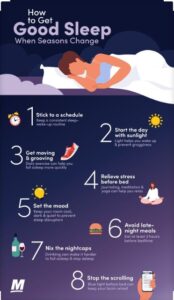
1. Stick to a regular sleep schedule
The circadian rhythm is a clock inside your body that controls when you sleep and when you wake up. Your body learns when to sleep and when to get up when you go to bed and get up at the same time every day.
Do your best to:
Even on weekends, go to bed and wake up at the same time.
Don’t stay up too late watching TV or scrolling through your phone.
Every night, you should sleep for at least 7–8 hours.
When you stick to a regular sleep schedule, it will be easy to fall asleep, and you won’t need an alarm to wake up.
2. Make Your Environment Sleep-Friendly
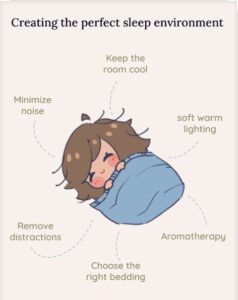
How well you sleep depends a lot on your bedroom. It should be a calm and comfortable place that helps you relax your body and mind.
This is how to make your room good for sleeping:
Keep the room dark since light tells your brain that it’s time to wake up. Put up blackout curtains or use an eye mask.
Set the temperature to a cool level: Most people do best in temperatures between 18 and 20 degrees Celsius (65 and 68 degrees Fahrenheit).
To cut down on noise, use earplugs, a white noise machine, or calming noises in the background.
Buy a nice mattress and pillow. They will help you sleep better and maintain your posture.
Make your bedroom a private space where your body only goes to sleep and relax.
3. Don’t look at screens before bed
Blue light, which comes from phones, laptops, and TVs, is one of the worst things for sleep these days. Blue light stops melatonin from working, which is the hormone that helps your body get ready for sleep.
Give this a shot:
Screens should be turned off at least 30 to 60 minutes before bed.
At night, turn on “night mode” or use blue light filters.
Instead of spending time on screens, do something that calm you down, including reading, mild stretching, or listening to peaceful music.
Before bed, your eyes and mind need a rest. Your brain slows down when you spend less time in front of a screen, which makes it simpler to fall asleep naturally.

4. Have a calming bedtime routine
A calming nightly ritual tells your body that it’s time to unwind. When you do the same relaxing things every night, your brain knows it’s time to sleep.
You could:
Take a warm shower or bath about an hour before bed. This will relax your muscles and lower your body temperature, which will help you sleep.
Do deep breathing or progressive muscular relaxation.
To clear your mind, write down your ideas or a list of things you’re thankful for.
Use relaxing essential oils like lavender or chamomile, or light a candle.
Even just 15 minutes of quiet “me time” before bed will help you sleep better.
5. Pay attention to what you eat and drink
What you eat and drink can have a big effect on how well you sleep. Some foods and drinks might help you sleep or keep you awake.
Don’t do them before bed:
Caffeine is in coffee, tea, chocolate, and energy drinks, and it can stay in your body for 6 to 8 hours.
Nicotine is a stimulant that makes you more attentive.
Alcohol: It might make you tired at initially, but it will keep you from getting restful sleep later in the night.
Heavy or spicy meals can make you feel full or give you indigestion, which makes it harder to fall asleep.
Instead, eat these things that help you sleep:
Bananas, almonds, and walnuts have magnesium and tryptophan in them, which help the body relax.
Oats and milk help the body make melatonin.
Chamomile tea is naturally relaxing and doesn’t have caffeine.
Kiwi: Studies show that it might help you sleep longer and better.
A light, healthy snack before bed, like warm milk with honey or a small bowl of oats, will help you relax and fall asleep more quickly.
6. Get some exercise every day
Not only is exercise excellent for your heart and body, it’s also good for your sleep. If you exercise regularly, you may be able to fall asleep faster, sleep more deeply, and wake up feeling better.
But timing is important.
Try to:
Most days, you should get at least 30 minutes of moderate exercise, including walking, swimming, or biking.
Don’t work out hard for 2 to 3 hours before bed. It might make you too awake to sleep.
If you want to do things in the evening, try mild yoga or stretching to relax your body instead.

7. Deal with stress and worry
One of the most common reasons people don’t sleep well is stress and overthinking. Your body can’t relax when your head is full of anxieties.
These are some natural ways to relax your mind:
Meditation or mindfulness: Pay attention to your breath or utilize an app that guides you through sleep meditation.
Writing in a journal: Write down your ideas or prepare a list of things to accomplish tomorrow to stop worrying in bed.
Be thankful: Thinking about good things before bed helps you relax.
Read or listen to music that makes you feel peaceful. It will take your mind off of worried thoughts.
Your body will follow your mind when it’s at ease, and you’ll fall asleep more readily.
Want to know about how to reduce stress
8. Don’t take too many naps during the day.
A short nap can help you feel better, but sleeping too much during the day can make it hard to sleep at night.
Give it a shot:
Naps should only last 20 to 30 minutes.
Take a nap early in the afternoon, before 4 p.m.
If you need to take a lot of naps, it could mean that you’re not getting enough good sleep at night.
9. Get some sun during the day
Natural light helps keep your internal clock in sync and makes you feel better and more awake during the day. It also helps your body make melatonin, which is a hormone that helps you sleep, later in the evening.
Set your sights on:
Every morning, get 30 minutes of natural light.
As soon as you get up, open your curtains.
If you work inside all day, go outside for short breaks.
You can also use a daylight lamp to replicate natural light if you don’t get much sun.

10. Keep your body and mind in sync.
Sometimes, not being able to sleep is more than just a physical problem. Your body may be fatigued, but your mind is still working.
To have your mind and body in sync:
Don’t think too much in bed. If you can’t sleep after 20 minutes, get up and do something soothing till you feel tired.
Don’t try to make yourself sleep; let it happen on its own.
Don’t work or watch TV in bed. Only use it for sleeping and relaxing.
The more your body connects your bed with sleep, the faster you’ll fall asleep.
11. Use natural sleep aids if you need to.
You can look into these natural supplements if you’ve tried adjusting your behaviors and still have trouble sleeping. Before starting them, always talk to a doctor.
Some common natural sleep aids are:
Melatonin: It helps you get back on track with your sleep cycle, especially if you have jet lag or work shifts that aren’t regular.
Magnesium: It relaxes muscles and calms nerves.
Valerian root is a herbal remedy that is proven to help with anxiety and sleep.
Lavender oil: Using lavender in aromatherapy might help you relax and sleep better.
These treatments are safer than sleeping drugs you get from a doctor, but you shouldn’t use them too much.
12. Cut back on stimulants and things you do late at night.
There are a lot of things that can get in the way of modern life, such TV shows, surfing online, and late-night snacking. These can easily make you go to bed later and make your sleep worse.
To get more sleep:
Don’t watch shows that make you feel sad or scared before bed.
Don’t eat too much late at night.
As you get ready for bed, turn off the bright lights and utilize dim illumination or lamps instead.
Making your environment tranquil and low-stimulation helps your body get ready for sleep.
13. Do some gentle yoga or meditation before bed.
Meditation and yoga are great natural ways to get better sleep. They help you breathe deeply, relax your body, and soothe your nervous system.
Before you go to bed, try these:
Child’s Pose (Balasana) helps the back relax and the mind quiet down.
Legs Up the Wall (Viparita Karani) helps blood flow and lowers stress.
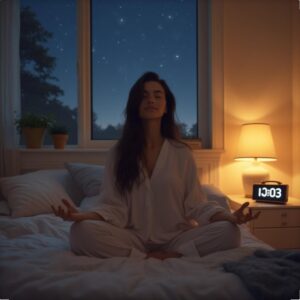
To meditate simply, sit comfortably, close your eyes, and breathe deeply and slowly for five minutes.
You can fall asleep faster and get more restful sleep by doing these things for only a few minutes.
14. Listen to Sounds That Calm You
If you’re having trouble sleeping because of the quiet, relaxing sounds can assist. You could try:
noises from nature, like rain, ocean waves, and woodland noises
Pink noise or white noise
Soft instrumental or background music
Sleep stories or affirmations that guide you
Sound therapy has been shown to calm your mind and lower stress hormones, which gets your body ready for a good night’s sleep.
Want to know about easy yoga poses for beginners
15. Be patient and stick with it.
It takes time to naturally get better sleep. It’s about making little changes and sticking with them until your body gets used to them.
To start,
Choose one or two habits from this list.
For at least two weeks, do them every day.
Slowly adding behaviors that help you sleep better.
As time goes on, your sleep will get better, and you’ll wake up feeling refreshed and ready for the day.
Last Thoughts
Sleep isn’t a luxury; it’s something you need. Your body and mind can’t work as well without it. You may get deep, refreshing sleep without using medicine by following these natural tips: sticking to a regular schedule, reducing stress, staying away from devices, and making a calming nighttime routine.
Keep in mind that getting enough sleep makes everything better: your health, your mood, your happiness, and your ability to focus. Make it a priority, not an option.
Put your phone away, turn off the lights, take a deep breath, and let nature do its thing starting tonight.