How to Improve Lung Health Naturally
Your lungs play a vital role in keeping your body healthy. Every breath you take supplies oxygen to your cells and removes carbon dioxide—a process essential for life. But with increasing air pollution, lifestyle stress, and unhealthy habits, lung health can easily be compromised. Fortunately, there are many natural ways to strengthen your lungs and support their proper functioning. By making a few mindful choices every day, you can improve your breathing capacity, boost immunity, and enhance overall well-being.
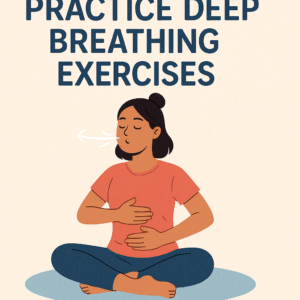
1. Practice Deep Breathing Exercises
One of the simplest and most effective ways to support lung health is through breathing exercises. When you breathe deeply, you allow more oxygen to enter your lungs, improving their efficiency. Techniques like diaphragmatic breathing and pursed-lip breathing help expand lung capacity and remove stale air that often remains trapped inside.
Try this simple exercise: Sit or lie down in a comfortable position. Place one hand on your chest and the other on your abdomen. Inhale slowly through your nose, feeling your belly rise as your lungs fill with air. Exhale gently through your mouth. Practicing this for 5 to 10 minutes daily can make a noticeable difference in your lung function over time.
2. Stay Physically Active
Regular physical activity not only strengthens your muscles but also improves your respiratory system. When you exercise, your breathing rate increases, making your lungs work harder. This improves their capacity and helps them function more efficiently.
Activities like brisk walking, jogging, cycling, swimming, or yoga are excellent choices. Even moderate activity for 30 minutes a day can help clear mucus from your lungs, enhance oxygen intake, and build endurance. For those with respiratory concerns, gentle exercises like pranayama (a breathing technique in yoga) can be highly beneficial.

3. Maintain Good Air Quality
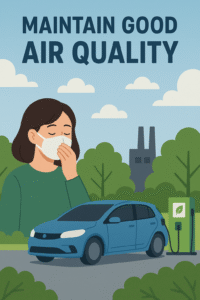
The air you breathe directly impacts your lung health. Polluted air, smoke, and dust can irritate the airways, leading to inflammation and reduced lung capacity. If you live in an area with high pollution levels, try to stay indoors on poor air-quality days and keep your windows closed.
You can also improve indoor air quality by adding air-purifying plants like peace lily, spider plant, or snake plant. Using air purifiers and regularly cleaning your home can minimize pollutants like dust mites, pet dander, and mold. Avoid using chemical-based air fresheners and switch to natural alternatives.
4. Quit Smoking and Avoid Secondhand Smoke
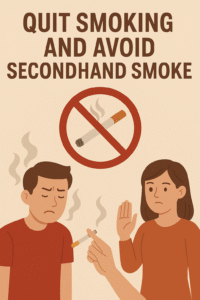
Smoking is one of the leading causes of lung damage and respiratory diseases. It reduces lung capacity, destroys tiny air sacs (alveoli), and increases the risk of chronic conditions like Chronic obstructive pulmonary disease and Lung cancer. If you smoke, quitting is the most powerful step you can take to improve your lung health.
Equally important is avoiding secondhand smoke, which can be just as harmful. Make your home and car smoke-free zones, and distance yourself from smoking areas. The sooner you quit, the faster your lungs can begin to heal and regain their strength.
5. Eat a Lung-Healthy Diet
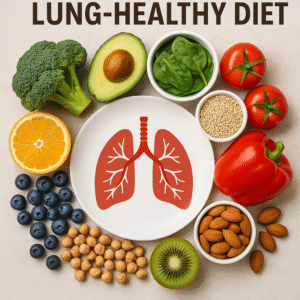
What you eat can influence your lung health significantly. A balanced diet rich in antioxidants helps reduce inflammation and combat free radical damage in the lungs. Include foods high in vitamin C, vitamin E, and beta-carotene, which protect lung tissues and boost immunity.
Fruits like oranges, berries, pomegranates, and apples are excellent choices. Green leafy vegetables, turmeric, garlic, and ginger have natural anti-inflammatory properties. Omega-3 fatty acids from sources like flaxseeds, chia seeds, and walnuts may also help improve lung function. Stay well hydrated to keep your airways moist and to help thin mucus secretions.
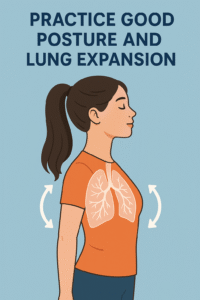
6. Practice Good Posture and Lung Expansion
Your posture has a direct effect on your breathing. Slouching or sitting in a hunched position compresses your lungs, limiting their ability to expand fully. Practicing good posture can open up your chest cavity, allowing for deeper and more efficient breathing.
You can also do simple lung expansion exercises. Stand straight, take a deep breath in, hold for a few seconds, and exhale slowly. Repeating this several times a day helps keep your lungs flexible and strong.
7. Protect Yourself from Infections
Respiratory infections can weaken the lungs and reduce their ability to function properly. To protect your lungs, wash your hands frequently, especially during flu season. Avoid touching your face with unwashed hands, and stay away from people who are sick.
Boosting your immune system through proper nutrition, sleep, and stress management is equally important. If you are prone to respiratory issues, consider steam inhalation with natural ingredients like eucalyptus or peppermint to clear your airways and make breathing easier.

8. Stay Hydrated
Drinking plenty of water helps thin the mucus lining in your lungs and airways, making it easier to breathe. When the mucus is too thick, it can trap pathogens and irritants, leading to infections. Proper hydration keeps your lungs clear and supports their natural self-cleaning mechanisms.
9. Manage Stress Effectively
Chronic stress can affect your breathing patterns, often causing shallow breaths and increased tension in the chest. Practicing stress-relief techniques like meditation, mindfulness, or gentle yoga can help restore proper breathing and support lung health. Spending time in nature, listening to calming music, or simply practicing gratitude can lower stress levels and improve your overall respiratory well-being.

10. Get Regular Health Checkups
Even if you feel healthy, regular checkups can help detect early signs of lung problems. Conditions like Asthma, Chronic bronchitis, or other respiratory issues can be better managed when caught early. Consult your healthcare provider if you experience symptoms like shortness of breath, persistent cough, or chest tightness.

Final Thoughts
Your lungs are resilient, but they need care and attention to stay healthy. By making simple lifestyle changes—such as practicing deep breathing, staying active, avoiding pollutants, eating nutritious foods, and quitting smoking—you can significantly improve your lung capacity and overall respiratory health. Think of lung care as an everyday practice, not just a response to illness. With consistency and mindfulness, your lungs will thank you with stronger, cleaner, and more efficient breaths.