How to Improve Your Posture Naturally
In today’s digital age, poor posture has become one of the most common issues affecting people of all ages. From slouching over smartphones to spending long hours at desks, our modern lifestyle often leads to rounded shoulders, forward head posture, and lower back pain. But here’s the good news: you can improve your posture naturally — no expensive equipment or professional treatments required.
Good posture is more than just standing tall; it’s about proper alignment of the body so your muscles, joints, and ligaments can function efficiently. With consistency, awareness, and a few simple adjustments, you can retrain your body to move and rest in ways that promote strength, flexibility, and balance.
In this guide, we’ll explore natural ways to improve your posture — including daily habits, exercises, and lifestyle tips that can help you stand taller, breathe easier, and feel more confident.
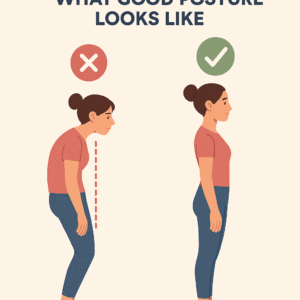
1. Understand What Good Posture Looks Like
Before you can fix your posture, you need to know what good posture actually is.
When Standing:
-
Your ears should be aligned with your shoulders.
-
Your shoulders should be back and relaxed (not tense).
-
Your chest should be open and lifted slightly.
-
Your hips should be neutral, not tilted forward or backward.
-
Your knees should be soft, not locked.
-
Your weight should be evenly distributed on both feet.
When Sitting:
-
Keep your feet flat on the floor.
-
Your back should rest against the chair with a small cushion supporting the lower back.
-
Your shoulders should remain relaxed and your elbows close to your body.
-
Your computer screen should be at eye level to prevent leaning forward.
Taking time to become aware of your alignment is the first step toward correcting it.
2. Strengthen Your Core Muscles
Your core (the muscles around your abdomen, back, and pelvis) plays a crucial role in supporting your spine. Weak core muscles often cause slouching and poor posture.
Effective Core Exercises:
-
Planks: Engage your entire core and hold for 30–60 seconds.
-
Dead Bug: Lie on your back and alternate extending opposite arm and leg while keeping your lower back pressed to the floor.
-
Bird-Dog: From a tabletop position, extend opposite arm and leg, keeping your spine neutral.
-
Bridge: Strengthens your glutes and lower back.
Perform these exercises 3–4 times a week to gradually build postural strength.

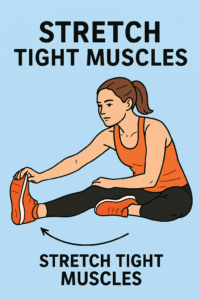
3. Stretch Tight Muscles
Tight muscles — especially in the chest, shoulders, and hip flexors — can pull your body out of alignment. Regular stretching helps loosen these muscles and restore balance.
Best Stretches for Posture:
-
Chest Opener: Stand tall, clasp your hands behind your back, and gently lift your arms.
-
Shoulder Rolls: Roll your shoulders forward and backward to release tension.
-
Hip Flexor Stretch: Kneel on one knee, push your hips forward slightly, and feel the stretch in the front of your hip.
-
Cat-Cow Pose: From all fours, alternate between arching and rounding your back.
Doing these stretches for just 5–10 minutes daily can make a noticeable difference in your posture and comfort.
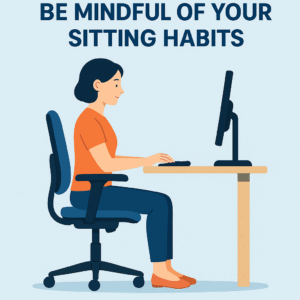
4. Be Mindful of Your Sitting Habits
Most of us spend hours each day sitting — whether at work, studying, or scrolling on our phones. This sedentary behavior can severely impact posture.
Tips to Improve Sitting Posture:
-
Use an ergonomic chair with lumbar support.
-
Keep both feet flat on the ground or on a footrest.
-
Avoid crossing your legs for long periods.
-
Take a 1–2 minute break every 30 minutes to stand, stretch, or walk around.
-
Align your monitor at eye level to prevent leaning forward.
Remember: “Your best posture is your next posture.” Keep moving throughout the day.
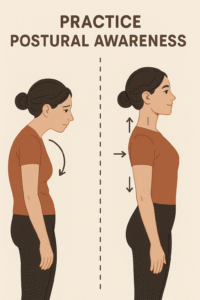
5. Practice Postural Awareness
Improving posture naturally starts with awareness — noticing how you sit, stand, and move. Try doing a quick “posture check” several times a day:
-
Are my shoulders hunched forward?
-
Is my head jutting out in front of my body?
-
Am I slumping in my chair?
You can even set reminders on your phone or use posture-correcting apps and wearables that gently alert you when you start to slouch.
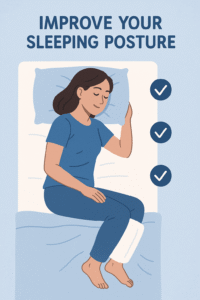
6. Improve Your Sleeping Posture
Good posture doesn’t end when you go to bed — your sleeping position can also affect spinal alignment.
Best Sleep Tips for Posture:
-
Back sleepers: Use a pillow under your knees to reduce pressure on your spine.
-
Side sleepers: Place a pillow between your knees to keep hips aligned.
-
Avoid stomach sleeping, which can twist your neck and back.
-
Choose a medium-firm mattress and a pillow that supports your neck’s natural curve.
Sleep is the body’s recovery time — maintaining neutral spine alignment overnight promotes healing and relaxation.
7. Strengthen Your Upper Back and Shoulders
A strong upper back helps pull your shoulders back naturally, reducing slouching and rounding.
Top Exercises:
-
Reverse Fly: Use light dumbbells to strengthen rear shoulder muscles.
-
Rows: Can be done with resistance bands or weights to activate upper back muscles.
-
Wall Angels: Stand with your back against the wall and slowly move your arms up and down while keeping contact with the wall.
-
Superman: Lie face down and lift your arms and legs off the ground, holding for a few seconds.
Perform these exercises regularly to reinforce good alignment.

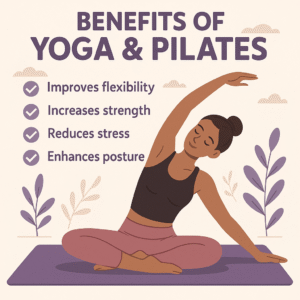
8. Incorporate Yoga or Pilates
Yoga and Pilates are powerful tools for improving posture because they focus on body awareness, flexibility, and strength.
Yoga Poses for Better Posture:
-
Mountain Pose (Tadasana) – teaches proper standing alignment.
-
Cobra Pose (Bhujangasana) – opens the chest and strengthens the back.
-
Child’s Pose (Balasana) – stretches the spine gently.
-
Downward Dog (Adho Mukha Svanasana) – elongates the spine and strengthens the shoulders.
Pilates, on the other hand, focuses on core control and spinal mobility — both essential for good posture.
Even practicing 15–20 minutes daily can dramatically improve your posture over time.
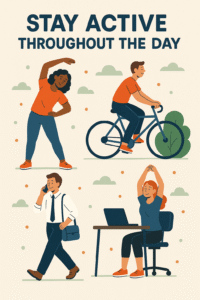
9. Stay Active Throughout the Day
Sedentary lifestyles weaken postural muscles. Regular movement is key to maintaining strength, flexibility, and proper alignment.
Simple Ways to Stay Active:
-
Take short walks every hour.
-
Stand or pace during phone calls.
-
Use a standing desk if possible.
-
Try desk exercises like seated leg raises or shoulder shrugs.
-
Engage in full-body activities like swimming, dancing, or hiking.
Remember — your body is designed to move. The more you move, the better your posture will naturally become.
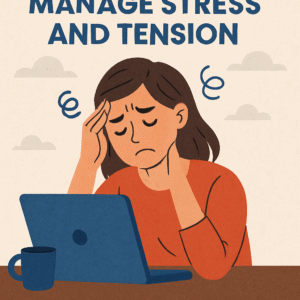
10. Manage Stress and Tension
Emotional stress often manifests physically — causing you to hunch your shoulders, tighten your neck, and clench your jaw.
Relaxation is a surprisingly effective posture booster.
Stress-Relief Techniques:
-
Deep breathing exercises (inhale through the nose, exhale through the mouth).
-
Meditation or mindfulness sessions.
-
Gentle stretching before bed.
-
Warm baths or massages to relieve muscle tension.
When your mind is calm, your body naturally follows — standing taller, breathing deeper, and moving more freely.
11. Maintain a Healthy Weight
Carrying excess weight, especially around the abdomen, can strain your spine and pull your body out of alignment.
Maintaining a healthy body weight helps reduce stress on the back and supports good posture.
Combine:
-
A balanced diet rich in protein, fiber, and essential vitamins.
-
Regular exercise that builds strength and flexibility.
-
Adequate hydration to keep joints lubricated.

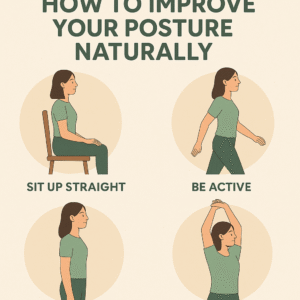
12. How to Improve Your Posture Naturally
Just like any habit, improving your posture naturally takes time and consistency.
Don’t expect overnight results. Instead, focus on small, mindful adjustments throughout your day.
Gradually, your muscles will strengthen, your alignment will improve, and you’ll find yourself standing taller without effort.
Benefits of Good Posture
-
Reduces neck, back, and shoulder pain
-
Improves breathing and digestion
-
Enhances circulation and energy levels
-
Boosts confidence and appearance
-
Promotes better focus and mood
Conclusion
Improving your posture naturally is about creating awareness, developing strength, and maintaining balance — both physically and mentally. By incorporating small daily habits like stretching, strengthening your core, adjusting your workspace, and staying active, you can retrain your body to maintain healthy alignment effortlessly.
Remember, posture isn’t just about looking good — it’s about feeling strong, confident, and pain-free in your own body. So start today — straighten up, breathe deeply, and embrace the power of natural posture improvement.