Why Eating Slowly Improves Digestion: The Science, Benefits, and Simple Habits to Practice
In today’s fast-paced world, most people eat meals the same way they handle their schedules—quickly, unconsciously, and often while multitasking. Breakfast happens in a hurry, lunch is rushed at the office desk, and dinner is swallowed while scrolling phones or watching TV. While it may feel normal, eating fast has a direct and often overlooked impact on digestion, metabolism, and overall health. In contrast, eating slowly is one of the simplest yet most powerful habits for improving digestion and enhancing well-being.
Eating slowly isn’t just about manners or mindfulness—it is deeply connected to how the digestive system works. Digestion begins long before food reaches the stomach, and the pace of eating influences hormones, chewing patterns, nutrient absorption, and even gut comfort. Understanding why eating slowly improves digestion can empower anyone to make better choices without dieting, supplements, or complicated rules.
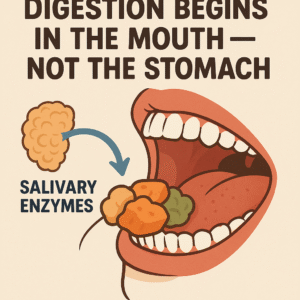
Digestion Begins in the Mouth — Not the Stomach
Many people believe digestion starts in the stomach, but scientifically, it begins the moment food enters the mouth. Chewing plays a vital role in breaking down food into smaller particles and mixing it with saliva. Saliva contains enzymes like amylase and lipase, which start breaking down carbohydrates and fats even before swallowing.
When eating fast:
-
Chewing is incomplete
-
Food particles remain large
-
Less saliva mixes with food
-
The stomach and intestines work harder
When eating slowly:
-
Food becomes easier to digest
-
Enzymes activate properly
-
The stomach receives pre-processed food
-
Bloating and heaviness reduce
Put simply, slow eating reduces the workload on the entire digestive system.
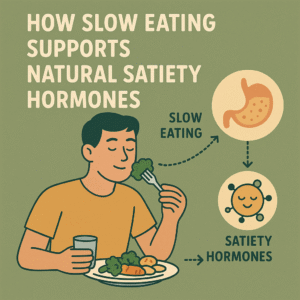
How Slow Eating Supports Natural Satiety Hormones
The body has built-in signaling systems to tell us when we are hungry and when we are full. Two hormones play a major role:
✅ Ghrelin – signals hunger
✅ Leptin – signals fullness
It takes around 20 minutes for the brain to register fullness from the time we start eating. That means:
-
If we eat too quickly, we often consume more food before the fullness signal arrives.
-
If we eat slowly, the brain catches up and signals satisfaction sooner.
This leads to:
-
Better portion control
-
Reduced overeating
-
Less digestive discomfort
-
More stable energy levels
Slow eating is one of the easiest natural tools for weight management without dieting.
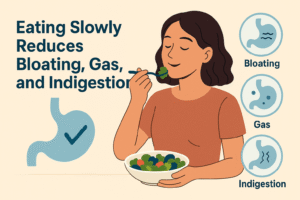
Eating Slowly Reduces Bloating, Gas, and Indigestion
Rushed eating often means swallowing excess air, poorly chewed food, and overwhelming the stomach. This can lead to:
-
gas
-
acidity
-
cramps
-
heaviness
-
burping
-
constipation
When food is swallowed in large chunks, the stomach struggles to break it down. The intestines take longer to process it, leading to fermentation and gas production.
Slow eating improves:
✅ Smooth digestion
✅ Comfortable bowel movements
✅ Reduced acid reflux
✅ Less irritation of the gut lining
People with IBS, gastritis, or sensitive stomachs often notice significant improvement simply by changing their eating pace.
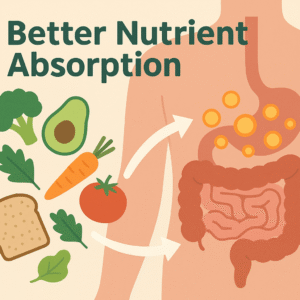
Better Nutrient Absorption
Even when someone eats healthy food, fast eating can reduce nutrient absorption. This is because:
-
Food that is poorly broken down moves too quickly through the digestive tract
-
Nutrients are not released properly
-
Enzymes cannot act efficiently
Slow eaters benefit from:
✅ Better vitamin and mineral uptake
✅ Improved energy levels
✅ Enhanced immunity
✅ Better skin and hair health
The body can only absorb what it can process—and slow eating supports that process.
Improved Blood Sugar Regulation
Fast eating can cause sharp spikes in blood sugar because food enters the digestive system faster than the body can metabolize it. This is especially relevant for:
-
diabetics
-
prediabetics
-
people with insulin resistance
-
those struggling with cravings
Slow eating results in:
✅ steadier glucose release
✅ reduced insulin load
✅ fewer sugar crashes
✅ more balanced appetite
This is one reason nutritionists recommend slow eating for metabolic wellness.
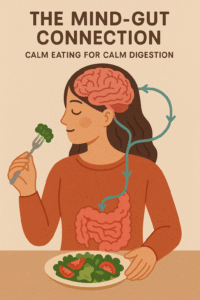
The Mind–Gut Connection: Calm Eating for Calm Digestion
The digestive system is closely linked to the nervous system. When we eat in a stressed state—rushed, distracted, anxious—the body activates the fight-or-flight response, which suppresses digestion.
Eating slowly activates the rest-and-digest mode.
This means:
✅ more digestive enzyme production
✅ stronger gut motility
✅ better breakdown of food
✅ improved nutrient utilization
Slow eating is a form of mindfulness that directly supports gut health.
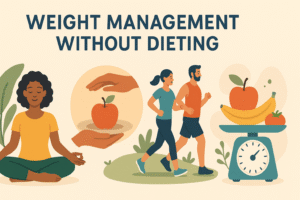
Weight Management Without Dieting
People often think weight control requires strict calorie counting, gym routines, or giving up favorite foods. But studies show that simply slowing down meals leads to:
-
eating less without trying
-
reduced cravings
-
longer satisfaction after eating
-
lower snacking tendency
Slow eating turns mindful digestion into natural appetite regulation.
Want to know about weight loss tips
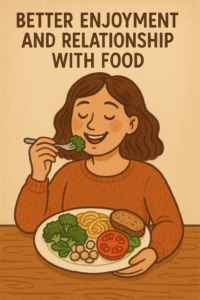
Better Enjoyment and Relationship With Food
Eating slowly helps individuals:
✅ taste flavors more deeply
✅ recognize hunger and fullness cues
✅ avoid emotional overeating
✅ savor meals instead of inhaling them
Food becomes an experience, not a task.
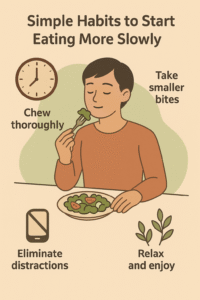
Simple Habits to Start Eating More Slowly
Here are practical and realistic steps anyone can use:
✅ Chew each bite 20–30 times
✅ Put the fork or spoon down between bites
✅ Take smaller bites
✅ Sip water throughout the meal
✅ Avoid screens while eating
✅ Start meals with deep breaths
✅ Use a smaller plate
✅ Eat with others when possible
✅ Set a minimum meal time (15–20 minutes)
Even choosing one habit can create noticeable changes.
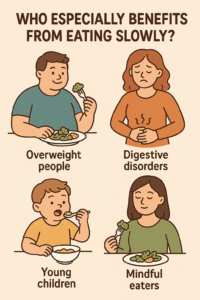
Who Especially Benefits From Eating Slowly?
✅ People with acidity or reflux
✅ Individuals with IBS or constipation
✅ Those who feel heavy after meals
✅ People trying to lose or maintain weight
✅ Diabetics and pre-diabetics
✅ Children learning healthy habits
✅ Office workers who rush meals
✅ Elderly people with slower digestion
Slow eating is universally beneficial and has no side effects.
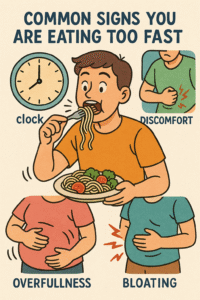
Common Signs You Are Eating Too Fast
If any of these happen regularly, eating speed may be the reason:
❌ finishing meals in under 10 minutes
❌ gas or bloating after eating
❌ overeating unintentionally
❌ feeling tired after meals
❌ needing water to swallow food
❌ swallowing without chewing fully
❌ heartburn or acidity
❌ craving snacks soon after eating
Awareness is the first step toward improvement.
Final Thoughts: A Small Habit With a Big Impact
Eating slowly may seem simple, but the results are powerful. It improves digestion, supports metabolic health, reduces discomfort, enhances nutrient absorption, promotes mindfulness, and strengthens our natural connection with food. In a world where everything feels rushed, choosing to eat slowly is a form of self-care that benefits both body and mind.
You don’t need special diets, supplements, or strict rules. You simply need time, awareness, and intention. By slowing down, you allow your digestive system to do what it was designed to do—efficiently, comfortably, and naturally.