Daily Habits That Improve Emotional Well-Being
Emotional well-being is not something that magically appears when life becomes perfect. In reality, it is built quietly through small, consistent habits practiced every day. Just as physical health depends on daily nutrition and movement, emotional health depends on how we think, feel, respond, and care for ourselves on a regular basis.
In today’s fast-paced world, emotional stress, anxiety, burnout, and loneliness have become common experiences. Many people wait for major changes—new jobs, better relationships, more money—to feel emotionally better. However, research and real-life experience show that emotional well-being improves not through dramatic events, but through simple daily habits that nurture the mind and heart.
This article explores practical, realistic daily habits that anyone can adopt to improve emotional well-being over time. These habits do not require expensive tools or drastic lifestyle changes. What they require is awareness, patience, and consistency.
Understanding Emotional Well-Being
Before exploring habits, it is important to understand what emotional well-being truly means.
Emotional well-being refers to the ability to:
-
Understand and manage emotions
-
Cope with stress effectively
-
Maintain a positive outlook while accepting negative emotions
-
Build healthy relationships
-
Feel a sense of purpose and self-worth
It does not mean being happy all the time. Experiencing sadness, anger, fear, or frustration is a normal part of being human. Emotional well-being means responding to these emotions in healthy ways rather than suppressing or being overwhelmed by them.
1. Starting the Day with Intention
How you begin your day sets the emotional tone for the hours that follow. Many people start their mornings by immediately checking phones, reading negative news, or worrying about responsibilities. This often triggers stress even before the day truly begins.
A simple habit of starting the day with intention can significantly improve emotional balance.
How to practice:
-
Wake up a few minutes earlier than usual
-
Take 2–5 minutes to breathe deeply
-
Ask yourself: “How do I want to feel today?”
-
Set a gentle intention such as calmness, patience, or gratitude
This habit helps shift focus from external pressures to internal stability.

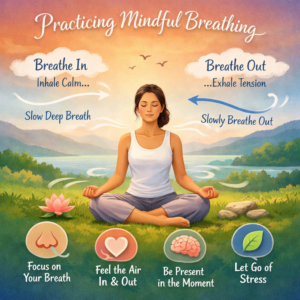
2. Practicing Mindful Breathing
Breathing is the most natural yet most ignored tool for emotional regulation. When emotions intensify, breathing becomes shallow and rapid, sending signals of danger to the brain.
Mindful breathing helps calm the nervous system and brings emotional clarity.
Simple daily practice:
-
Sit comfortably
-
Inhale slowly through the nose for 4 seconds
-
Hold for 2 seconds
-
Exhale gently through the mouth for 6 seconds
-
Repeat for 5 minutes
Even practicing mindful breathing once or twice a day reduces anxiety and emotional reactivity.
3. Moving the Body Every Day
Physical movement and emotional well-being are deeply connected. Regular movement releases endorphins—chemicals that naturally improve mood and reduce stress.
You do not need intense workouts to benefit emotionally.
Effective daily movement habits:
-
Walking for 20–30 minutes
-
Stretching or yoga
-
Light home exercises
-
Dancing to music
-
Cycling or swimming
Consistency matters more than intensity. Even gentle movement improves emotional resilience over time.

4. Limiting Negative Digital Consumption
Excessive exposure to negative news, social media comparison, and constant notifications can overwhelm the mind and disturb emotional balance.
While digital tools are necessary, emotional well-being improves when their use is conscious rather than compulsive.
Healthy digital habits:
-
Avoid phone use for the first 30 minutes after waking
-
Limit news consumption to specific times
-
Unfollow accounts that trigger stress or self-comparison
-
Take short digital breaks during the day
Reducing digital overload creates mental space for calm and clarity.

5. Eating for Emotional Balance
Food affects not only physical health but also emotional stability. Irregular meals, excessive sugar, and poor nutrition can worsen mood swings and fatigue.
Emotion-friendly eating habits:
-
Eat meals at regular times
-
Include fruits, vegetables, nuts, and whole grains
-
Stay hydrated throughout the day
-
Avoid skipping meals when stressed
Balanced nutrition supports brain function, which directly influences emotional regulation.

6. Practicing Gratitude Daily
Gratitude is one of the most powerful habits for emotional well-being. It trains the mind to notice what is going right instead of focusing only on problems.
Practicing gratitude does not deny pain or difficulties. Instead, it balances emotional perspective.
Simple gratitude practices:
-
Write down 3 things you are grateful for each day
-
Mentally acknowledge small joys like sunlight, kindness, or rest
-
Express appreciation to others verbally or in writing
Over time, gratitude rewires the brain toward positivity and emotional stability.

7. Allowing Yourself to Feel Emotions
Many people believe emotional strength means suppressing feelings. In reality, emotional well-being improves when emotions are acknowledged and processed.
Suppressing emotions often leads to emotional exhaustion or sudden emotional outbursts.
Healthy emotional habits:
-
Name your emotions honestly
-
Accept feelings without judgment
-
Understand that emotions are temporary
-
Express feelings through writing, talking, or creative outlets
Allowing emotions to exist without resistance builds emotional maturity.

8. Journaling for Emotional Clarity
Writing is a powerful emotional release tool. Journaling helps organize thoughts, reduce mental clutter, and gain insight into emotional patterns.
Ways to journal daily:
-
Write freely about thoughts and feelings
-
Reflect on the day’s emotional highs and lows
-
Answer prompts like:
-
What did I feel today and why?
-
What challenged me emotionally?
-
What helped me cope?
-
Even 10 minutes of journaling can bring emotional relief and clarity.

9. Building Meaningful Connections
Human beings are social by nature. Emotional well-being suffers in isolation and improves through healthy relationships.
Quality matters more than quantity when it comes to emotional connections.
Daily connection habits:
-
Check in with a friend or family member
-
Listen actively without distraction
-
Share thoughts honestly with trusted people
-
Offer kindness or support to others
Positive social interactions reduce stress and increase feelings of belonging.

10. Setting Healthy Boundaries
Emotional well-being often declines when personal boundaries are ignored. Saying yes to everything, overworking, or tolerating disrespect leads to emotional burnout.
Boundary-building habits:
-
Learn to say no without guilt
-
Respect your own limits
-
Take breaks when overwhelmed
-
Communicate needs clearly and calmly
Healthy boundaries protect emotional energy and promote self-respect.
e
11. Practicing Self-Compassion
Many people are kind to others but harsh toward themselves. Self-criticism increases emotional distress, while self-compassion fosters emotional healing.
Self-compassion habits:
-
Speak to yourself kindly
-
Accept imperfections as part of being human
-
Forgive yourself for mistakes
-
Avoid unrealistic expectations
Self-compassion strengthens emotional resilience and inner peace.

12. Engaging in Meaningful Activities
Emotional well-being improves when life feels meaningful. Engaging in activities that align with personal values provides emotional fulfillment.
Meaningful daily activities:
-
Creative hobbies (art, music, writing)
-
Volunteering or helping others
-
Learning new skills
-
Spending time in nature
Purposeful activities enhance emotional satisfaction beyond temporary pleasure.

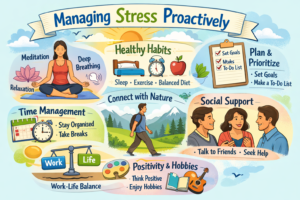
13. Managing Stress Proactively
Stress is unavoidable, but unmanaged stress damages emotional well-being. Daily stress-management habits prevent emotional overload.
Effective stress-management habits:
-
Break tasks into smaller steps
-
Prioritize rest along with productivity
-
Practice relaxation techniques
-
Seek help when needed
Managing stress early prevents emotional exhaustion.
14. Getting Quality Sleep
Sleep is essential for emotional regulation. Lack of sleep increases irritability, anxiety, and emotional instability.
Sleep-supporting habits:
-
Maintain a regular sleep schedule
-
Avoid screens before bedtime
-
Create a calming bedtime routine
-
Keep the sleep environment comfortable
Good sleep improves mood, patience, and emotional balance.

15. Reflecting at the End of the Day
Ending the day with reflection helps release emotional tension and promotes inner calm.
End-of-day reflection habits:
-
Review the day without judgment
-
Acknowledge efforts, not just outcomes
-
Let go of unresolved worries
-
Practice gratitude before sleep
This habit brings emotional closure and mental peace.

Conclusion
Emotional well-being is not achieved overnight, nor does it depend on external perfection. It is built through daily habits that nurture awareness, balance, and self-care. Small actions—practiced consistently—create profound emotional strength over time.
By incorporating habits such as mindful breathing, movement, gratitude, self-compassion, meaningful connections, and proper rest, emotional health gradually improves. Life will still present challenges, but these habits equip the mind and heart to respond with resilience rather than overwhelm.
Ultimately, emotional well-being is a journey of self-understanding, kindness, and intentional living. The more consistently these daily habits are practiced, the stronger and more balanced emotional life becomes.