Hidden Sugar Sources You Should Avoid Daily
When we think about sugar, most of us imagine obvious culprits—chocolates, cakes, pastries, soft drinks, or ice cream. We reassure ourselves that as long as we don’t eat sweets too often, our sugar intake is under control. Unfortunately, this is far from the truth.
The real problem isn’t always the sugar we see—it’s the sugar we don’t. Hidden sugars quietly sneak into our daily diet through foods we consider healthy, essential, or harmless. Over time, these unnoticed sugars can lead to weight gain, insulin resistance, type 2 diabetes, heart disease, fatty liver, hormonal imbalance, and constant energy crashes.
In this article, we’ll uncover the most common hidden sugar sources you should avoid—or at least limit—on a daily basis. By the end, you’ll be able to read food labels smarter, make healthier choices, and take back control of your diet.
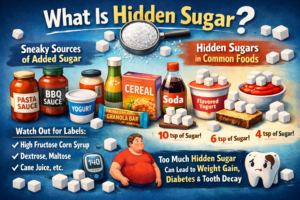
What Is Hidden Sugar?
Hidden sugar refers to sugars that are added to foods during processing, preparation, or packaging—but aren’t obvious to the consumer. These sugars may appear under unfamiliar names, or they may be present in foods marketed as “healthy,” “low-fat,” or “natural.”
According to health experts, excessive added sugar intake is one of the leading causes of modern lifestyle diseases. The World Health Organization recommends that added sugars should make up less than 10% of daily calorie intake—ideally under 5%.
Yet most people consume far more than that without even realizing it. Thus it is best to avoid daily Hidden Sugar Sources
Why Hidden Sugar Is Dangerous
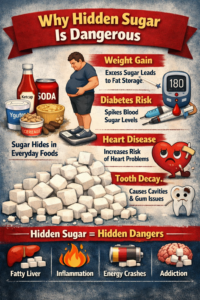
Hidden sugar is particularly harmful because:
-
It causes blood sugar spikes without making you feel full
-
It increases cravings and overeating
-
It disrupts insulin sensitivity
-
It contributes to belly fat and inflammation
-
It overloads the liver, leading to fatty liver disease
Since these sugars often come from foods eaten daily, the damage happens slowly—but consistently.
1. Packaged Breakfast Cereals
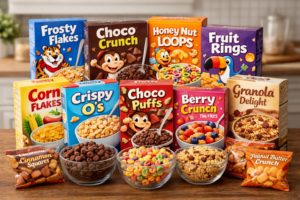
Breakfast cereals are one of the biggest sources of hidden sugar, especially those marketed to children or labeled as “healthy” or “whole grain.”
Many cereals contain 2–4 teaspoons of sugar per serving, and most people eat more than one serving at a time.
Even cereals labeled as:
-
Multigrain
-
Cornflakes
-
Honey-flavored
-
Bran or fiber-rich
often contain added sugar to improve taste.
What to do instead:
Choose plain oats, steel-cut oats, or unsweetened muesli. Add natural sweetness using fruits like bananas or berries.
2. Flavored Yogurt and Fruit Yogurt
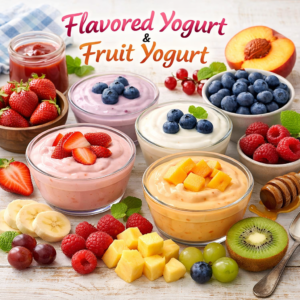
Yogurt is widely considered a healthy food, but flavored and fruit yogurts can be sugar bombs in disguise.
A single cup of flavored yogurt can contain as much sugar as a dessert—sometimes 15–25 grams, mostly added sugar rather than natural milk sugar.
Even “low-fat” yogurts are often worse because manufacturers add more sugar to compensate for reduced fat.
What to do instead:
Opt for plain, unsweetened yogurt or Greek yogurt and add fresh fruit, nuts, or seeds yourself.
3. Packaged Fruit Juices and Smoothies
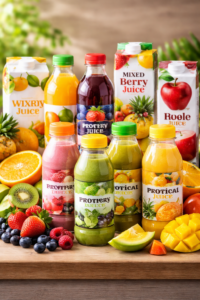
Fruit juice sounds healthy, but most packaged juices are closer to sugar water than real fruit.
Problems with fruit juices:
-
Fiber is removed
-
Sugar concentration is high
-
Often contains added sugar or syrups
Even 100% fruit juice causes rapid blood sugar spikes because there’s no fiber to slow absorption.
Smoothies from stores or cafés may also contain added sweeteners, flavored yogurts, or syrups.
What to do instead:
Eat whole fruits instead of drinking them. If making smoothies, use whole fruits, vegetables, and no added sugar.
4. Sauces, Ketchup, and Condiments
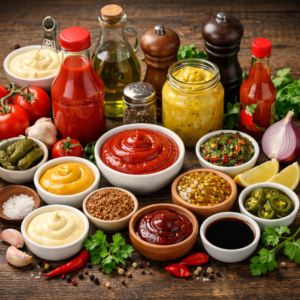
One of the most overlooked sugar sources is everyday condiments.
Common examples include:
-
Tomato ketchup
-
Barbecue sauce
-
Sweet chili sauce
-
Salad dressings
-
Mayonnaise (flavored varieties)
Just one tablespoon of ketchup can contain a teaspoon of sugar. Since these are used regularly, the sugar adds up fast.
What to do instead:
Check labels carefully. Choose homemade sauces, sugar-free versions, or use herbs, spices, lemon juice, and olive oil.
5. Bread and Baked Products
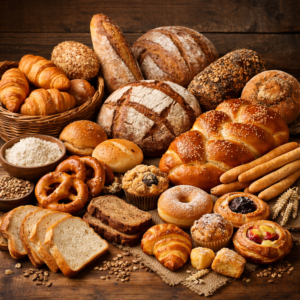
Most people don’t associate bread with sugar, but packaged breads often contain added sugar to enhance flavor and shelf life.
Hidden sugar is common in:
-
White bread
-
Brown bread
-
Burger buns
-
Sandwich bread
-
Pav and rolls
Even so-called “whole wheat” bread can contain molasses, glucose, or inverted sugar.
What to do instead:
Look for bread with minimal ingredients and no added sugar. Better yet, choose homemade rotis, sourdough, or whole grain options.
6. Energy Bars, Granola Bars, and Protein Bars
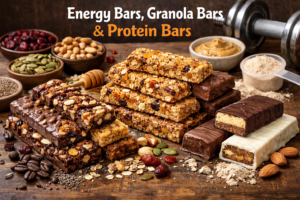
Marketed as fitness or health foods, many energy and protein bars are essentially candy bars with better branding.
They often contain:
-
Glucose syrup
-
Brown rice syrup
-
Honey
-
Fructose
-
Maltodextrin
Some bars contain more sugar than a chocolate bar.
What to do instead:
Read labels carefully. Choose bars with low sugar or make your own using nuts, seeds, and dates in moderation.
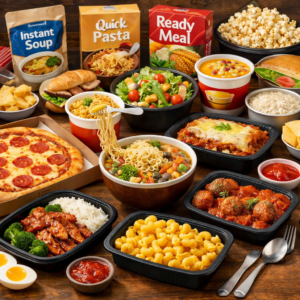
7. Ready-to-Eat and Instant Foods
Instant noodles, ready meals, soups, and frozen foods often contain hidden sugars to improve taste and balance saltiness.
Sugar is commonly added to:
-
Instant soups
-
Packaged curries
-
Ready gravies
-
Frozen snacks
These foods may not taste sweet, but sugar is still present.
What to do instead:
Limit processed foods and cook fresh meals whenever possible.
8. Flavored Milk and Milk-Based Drinks
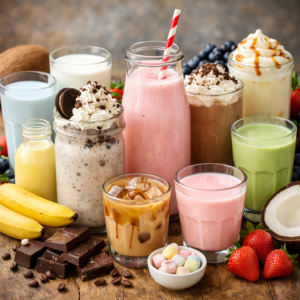
Chocolate milk, strawberry milk, and flavored milkshakes contain high amounts of added sugar.
Even beverages marketed for children or “energy” purposes can contain 3–5 teaspoons of sugar per serving.
What to do instead:
Stick to plain milk or unsweetened plant-based alternatives.
9. Salad Dressings and “Healthy” Sauces
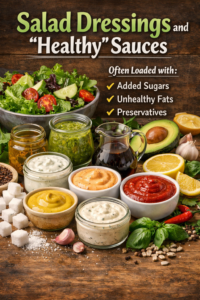
Salads are healthy—until sugar-loaded dressings are added.
Many dressings contain:
-
Sugar
-
Corn syrup
-
Honey
-
Artificial sweeteners
Low-fat dressings are often worse because sugar replaces fat for taste.
What to do instead:
Make your own dressing using olive oil, lemon juice, vinegar, herbs, and spices.
10. Canned and Packaged Fruits
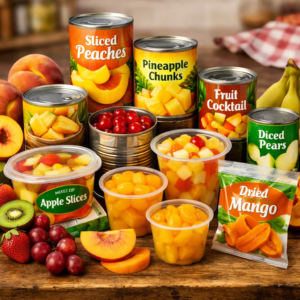
Canned fruits often come in “syrup,” which is essentially sugar water.
Even “light syrup” versions still contain added sugar.
What to do instead:
Choose fresh fruits or canned fruits in water with no added sugar.
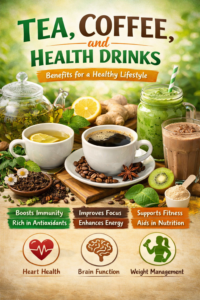
11. Tea, Coffee, and Health Drinks
Sugar sneaks in through:
-
Sweetened tea and coffee
-
Ready-to-drink beverages
-
Health drinks and powders
-
Flavored coffee creamers
Even a small amount of sugar added daily becomes harmful over time.
What to do instead:
Gradually reduce sugar in beverages. Use cinnamon, cardamom, or vanilla for flavor instead.
12. So-Called “Natural Sweeteners”
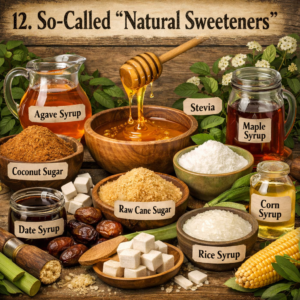
Many people replace sugar with alternatives thinking they are healthier. While some are better, they are still forms of sugar.
Examples include:
-
Honey
-
Jaggery
-
Coconut sugar
-
Maple syrup
Though they contain trace nutrients, they still spike blood sugar.
What to do instead:
Use these sparingly and avoid daily consumption.
Common Names for Hidden Sugar on Labels
Sugar hides under many names, including:
-
Glucose
-
Fructose
-
Sucrose
-
Maltose
-
Dextrose
-
Corn syrup
-
High-fructose corn syrup
-
Brown rice syrup
-
Invert sugar
If you see multiple sugar names on a label, it’s a red flag.
How to Reduce Hidden Sugar in Daily Life
-
Read food labels carefully
-
Choose whole, unprocessed foods
-
Cook more meals at home
-
Avoid foods with long ingredient lists
-
Reduce packaged and ready-to-eat foods
-
Train your taste buds to enjoy less sweetness
Final Thoughts
Hidden sugar is one of the biggest threats to modern health—not because it’s obvious, but because it’s invisible. It quietly enters our body every day through foods we trust and consume regularly.
By becoming aware of these hidden sources, you empower yourself to make better choices—not extreme, not restrictive, but smart and sustainable.
Reducing hidden sugar doesn’t mean giving up joy or flavor. It means choosing foods that truly nourish your body, stabilize your energy, and protect your long-term health.
Small changes made daily can lead to powerful results over time.