How Digital Detox Improves Mental Peace
Introduction
In today’s fast-paced digital world, technology has become an inseparable part of our daily lives. From the moment we wake up to the time we fall asleep, screens surround us—smartphones, laptops, tablets, televisions, and smartwatches constantly demand our attention. While digital technology has undoubtedly made life easier, faster, and more connected, it has also quietly increased stress, anxiety, and mental fatigue.
This constant exposure to digital devices has led to a growing concern about mental well-being. Many people feel overwhelmed, distracted, restless, and emotionally drained without clearly understanding why. This is where the concept of digital detox comes into play. A digital detox refers to a period of time when an individual intentionally reduces or completely avoids the use of digital devices and online platforms to restore balance, clarity, and mental peace.
This article explores how digital detox improves mental peace, why it is necessary in modern life, and how adopting mindful digital habits can lead to long-term emotional well-being.
Understanding Digital Overload
What Is Digital Overload?
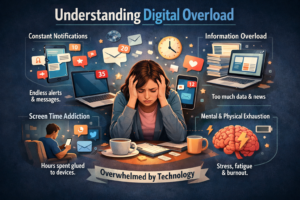
Digital overload occurs when the brain is exposed to excessive information from digital sources. Notifications, emails, social media updates, news alerts, and messages constantly compete for attention. This overload keeps the brain in a state of alertness, making it difficult to relax or focus deeply.
The human brain is not designed to process continuous streams of information without rest. Over time, this leads to cognitive exhaustion, irritability, and reduced emotional stability.
Signs of Digital Overload
Some common signs include:
-
Constant urge to check the phone
-
Difficulty concentrating
-
Sleep disturbances
-
Increased anxiety or restlessness
-
Mood swings and irritability
-
Feeling mentally drained even after rest
When digital overload becomes chronic, it can seriously impact mental peace.
What Is Digital Detox?
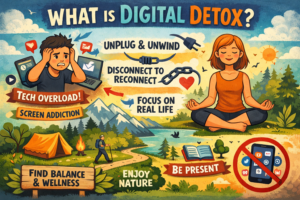
A digital detox does not mean completely abandoning technology. Instead, it involves intentional and mindful use of digital devices. This can range from short breaks—like avoiding phones during meals—to longer periods, such as weekend or week-long detoxes.
The goal is to regain control over technology rather than allowing it to control thoughts, emotions, and time.
The Connection Between Digital Detox and Mental Peace
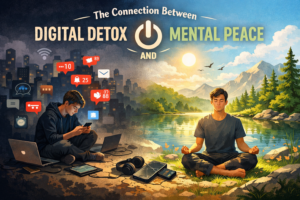
Mental peace refers to a calm, balanced, and stable state of mind where stress is manageable and thoughts are clear. Digital detox contributes to mental peace in several powerful ways.
1. Reduces Stress and Anxiety
Constant Notifications Create Stress
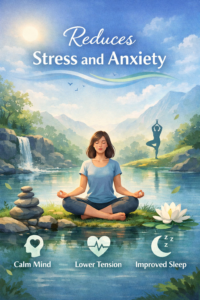
Every notification triggers a small stress response in the brain. The sound or vibration signals that something demands immediate attention, activating the body’s stress system. Over time, this keeps the nervous system in a state of chronic alertness.
How Digital Detox Helps
When digital notifications are reduced or eliminated:
-
The mind feels calmer
-
Stress hormones decrease
-
There is less pressure to respond instantly
-
The brain experiences fewer interruptions
This reduction in mental noise allows the nervous system to relax, leading to a noticeable sense of peace.
2. Improves Focus and Mental Clarity
Multitasking Damages Attention
Digital devices encourage multitasking—switching between apps, messages, and tasks. While it may feel productive, constant switching actually reduces attention span and mental efficiency.
Benefits of Detox on Focus
A digital detox:
-
Enhances concentration
-
Improves memory
-
Allows deeper thinking
-
Reduces mental fog
With fewer distractions, the mind becomes sharper and more present, which significantly contributes to inner calm and satisfaction.

3. Enhances Emotional Well-Being
Social Media and Emotional Comparison
Social media platforms often present unrealistic versions of life. Continuous exposure to curated images, achievements, and lifestyles can lead to comparison, self-doubt, and low self-esteem.
Emotional Benefits of Digital Detox
Taking a break from social media:
-
Reduces feelings of inadequacy
-
Encourages self-acceptance
-
Promotes emotional stability
-
Improves mood
Without constant comparison, individuals can reconnect with their authentic selves and experience genuine emotional peace.

4. Improves Sleep Quality
Screen Time and Sleep Disruption
Blue light emitted from screens interferes with melatonin production, the hormone responsible for sleep. Late-night scrolling overstimulates the brain, making it difficult to fall asleep.
How Digital Detox Improves Sleep
Reducing screen time before bed:
-
Helps the brain unwind naturally
-
Improves sleep duration and quality
-
Reduces insomnia and nighttime anxiety
-
Leads to refreshed mornings
Quality sleep is directly linked to mental peace, emotional regulation, and stress management.

5. Encourages Mindfulness and Presence
Living on Autopilot
Constant digital engagement often disconnects people from the present moment. Many individuals scroll mindlessly without awareness of time, surroundings, or emotions.
Mindfulness Through Detox
Digital detox encourages:
-
Awareness of thoughts and feelings
-
Appreciation of simple moments
-
Active listening and observation
-
Emotional grounding
Being present in the moment is one of the most powerful contributors to inner peace.

6. Strengthens Real-Life Relationships
Digital Disconnection Affects Human Bonds
Excessive phone usage can weaken real-life relationships. Conversations become shallow, eye contact decreases, and emotional connections suffer.
Relationship Benefits of Digital Detox
When devices are set aside:
-
Communication becomes deeper
-
Emotional bonding improves
-
Trust and understanding increase
-
Feelings of loneliness decrease
Healthy relationships play a crucial role in mental peace and emotional security.

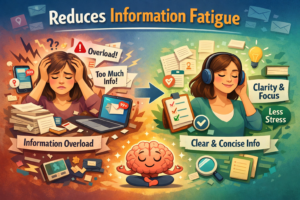
7. Reduces Information Fatigue
News and Content Overload
24/7 access to news and online content can overwhelm the mind, especially when exposure includes negative or distressing information.
Detox as a Mental Filter
Digital detox allows individuals to:
-
Control information intake
-
Reduce exposure to negativity
-
Process thoughts calmly
-
Feel mentally lighter
This selective engagement helps maintain emotional balance and mental calmness.
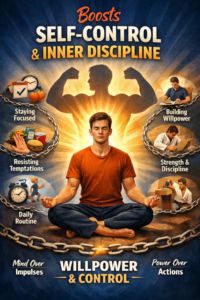
8. Boosts Self-Control and Inner Discipline
Regaining Control Over Habits
Constant phone usage often becomes an unconscious habit. Breaking this pattern builds self-discipline and confidence.
Psychological Benefits
Digital detox:
-
Strengthens willpower
-
Enhances self-awareness
-
Encourages intentional living
-
Builds inner resilience
Feeling in control of one’s habits brings a deep sense of peace and self-respect.
9. Encourages Healthy Lifestyle Choices
Screen Time Replaces Healthy Activities
Excessive digital use often replaces physical activity, hobbies, and creative pursuits.
Life Beyond Screens
During a digital detox, people often rediscover:
-
Reading books
-
Exercising
-
Meditation and yoga
-
Nature walks
-
Creative hobbies
These activities naturally promote mental peace, emotional balance, and physical well-being.

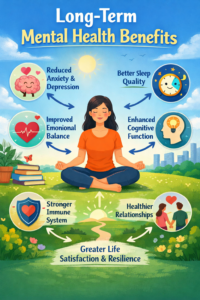
10. Long-Term Mental Health Benefits
Regular digital detox practices can lead to long-term improvements such as:
-
Reduced anxiety disorders
-
Better emotional regulation
-
Increased life satisfaction
-
Improved mental resilience
-
Greater sense of purpose
Mental peace is not just the absence of stress but the presence of clarity, balance, and emotional stability—and digital detox plays a vital role in achieving this.
How to Practice Digital Detox Effectively
Start Small
-
Set screen-free hours
-
Avoid phone usage during meals
-
Disable non-essential notifications
Create Tech-Free Zones
-
Bedrooms
-
Dining areas
-
Meditation spaces
Schedule Detox Periods
-
Digital-free evenings
-
Weekend detox
-
Social media breaks
Replace Digital Time with Meaningful Activities
-
Journaling
-
Exercise
-
Nature exposure
-
Face-to-face conversations
Consistency is key. Even small changes can lead to significant improvements in mental peace.
Challenges of Digital Detox and How to Overcome Them
Fear of Missing Out (FOMO)
Solution:
-
Remind yourself that peace is more valuable than constant updates
-
Focus on what you gain rather than what you miss
Work-Related Digital Dependency
Solution:
-
Set clear boundaries
-
Schedule specific times for checking emails and messages
Initial Discomfort
Solution:
-
Understand that discomfort is temporary
-
Replace habits gradually
Conclusion
In a world dominated by screens and constant connectivity, mental peace has become a rare but essential necessity. Digital detox offers a simple yet powerful solution to restore balance, clarity, and emotional well-being. By reducing digital distractions, calming the mind, and reconnecting with real life, individuals can experience profound mental peace.
Digital detox is not about rejecting technology—it is about using it wisely. When technology serves our lives rather than controls them, mental peace naturally follows. In the long run, practicing digital detox helps cultivate a healthier relationship with the digital world and a more peaceful relationship with oneself.