Best Foods to Control Blood Pressure Naturally
High blood pressure — also known as hypertension — is one of the most common health problems in the world today. It’s often called the “silent killer” because it doesn’t always show symptoms but can lead to serious health issues like heart disease, stroke, and kidney problems if left unchecked.
While medication can help, your diet plays a major role in controlling blood pressure. In fact, the foods you eat every day can either raise or lower your blood pressure naturally.
Want to know about balanced diet
In this article, we’ll explore the best foods to control blood pressure, how they work in your body, and how you can include them in your daily meals for a healthier heart.
1. Leafy Green Vegetables
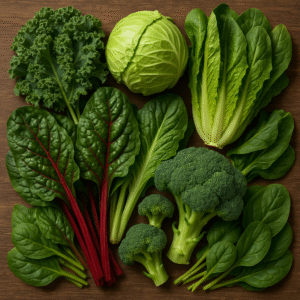
Leafy greens like spinach, kale, Swiss chard, and beet greens are packed with potassium, a mineral that helps your kidneys get rid of extra sodium through urine. The less sodium in your system, the lower your blood pressure.
Try adding greens to:
-
Salads
-
Smoothies
-
Soups or stir-fries
Quick Tip: Use fresh or frozen greens instead of canned ones, as canned vegetables often contain added salt.
2. Berries: Nature’s Antioxidant Powerhouse
Berries — especially blueberries, strawberries, and raspberries — are loaded with antioxidants called anthocyanins, which help widen blood vessels and improve blood flow.
A long-term study found that people who regularly ate blueberries had a significantly lower risk of developing high blood pressure.
Enjoy berries by:
-
Mixing them into oatmeal or yogurt
-
Making a berry smoothie
-
Eating them fresh as a snack
Pro tip: Frozen berries are just as nutritious as fresh ones!

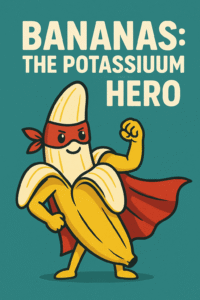
3. Bananas: The Potassium Hero
Bananas are one of the best sources of potassium, a nutrient that plays a major role in blood pressure control. Potassium helps balance sodium levels in your body and reduces tension in blood vessel walls.
You can enjoy bananas:
-
As a snack
-
In smoothies
-
With peanut butter on whole-grain toast
Daily goal: Aim for at least 4,700 mg of potassium daily (from all food sources combined).
4. Beets and Beet Juice
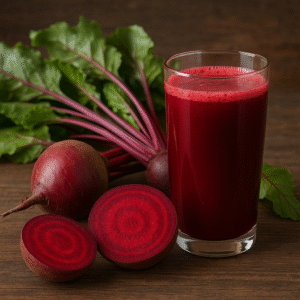
Beets are rich in nitrates, which your body converts into nitric oxide — a compound that helps relax and widen blood vessels. This leads to better circulation and lower blood pressure.
Research shows that drinking beet juice can lower blood pressure in just a few hours!
Try:
-
Fresh beetroot salad
-
Roasted beets
-
A glass of beet juice in the morning
Note: If you have kidney stones or are prone to them, consult your doctor before consuming large amounts of beets, as they contain oxalates.
5. Oats and Whole Grains
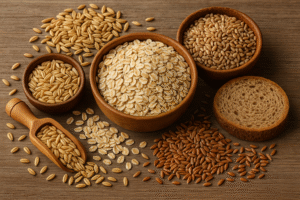
Whole grains such as oats, quinoa, brown rice, and whole wheat bread are rich in fiber — particularly beta-glucan, a type of soluble fiber that helps lower cholesterol and improve heart health.
Eating more whole grains can reduce both systolic and diastolic blood pressure levels.
Start your day with:
-
A bowl of oatmeal topped with fruit
-
Whole-grain toast
-
Brown rice instead of white rice
Key Tip: Look for “100% whole grain” on labels to ensure you’re getting the healthiest option.
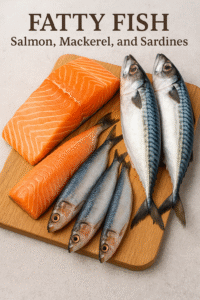
6. Fatty Fish: Salmon, Mackerel, and Sardines
Fish like salmon, tuna, mackerel, and sardines are rich in omega-3 fatty acids, which reduce inflammation, improve blood vessel function, and lower blood pressure naturally.
They also lower triglyceride levels — another major risk factor for heart disease.
Enjoy fish by:
-
Grilling or baking instead of frying
-
Adding lemon and herbs for flavor
-
Eating at least two servings per week
Bonus: Omega-3s are also great for brain health!
7. Seeds: Tiny But Mighty
Flaxseeds, chia seeds, pumpkin seeds, and sunflower seeds are small but packed with nutrients like magnesium, potassium, and fiber — all of which are key to maintaining healthy blood pressure.
Studies show that flaxseed may help reduce both systolic and diastolic pressure.
Add seeds to:
-
Smoothies
-
Yogurt or oatmeal
-
Salads or soups
Tip: Use unsalted seeds to avoid excess sodium.
8. Dark Chocolate (in Moderation!)
Yes, you read that right! Dark chocolate — especially varieties with 70% or higher cocoa content — contains flavonoids that help relax blood vessels and improve circulation.
However, moderation is key. Stick to one small square (about 20–30 grams) per day to enjoy the benefits without overdoing sugar or calories.

9. Garlic and Herbs
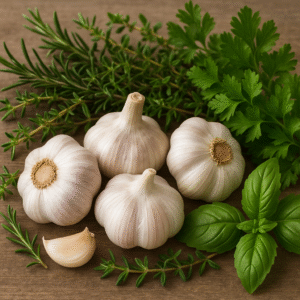
Garlic contains allicin, a compound that boosts nitric oxide production and helps blood vessels relax. Several studies have found that garlic supplements can significantly lower blood pressure.
Use garlic in:
-
Soups and stews
-
Stir-fries
-
Salad dressings
Other herbs like basil, cinnamon, thyme, and rosemary also have blood-pressure-lowering effects. Replacing salt with these herbs makes your meals flavorful and heart-healthy.
10. Yogurt and Low-Fat Dairy
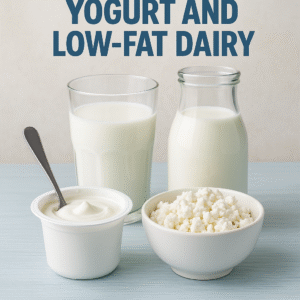
Calcium is essential for maintaining healthy blood pressure levels, and dairy products like low-fat yogurt, milk, and cheese are great sources.
A study published in the American Heart Association Journal found that women who ate yogurt regularly had a 20% lower risk of developing high blood pressure.
Choose:
-
Unsweetened, low-fat yogurt
-
Fresh fruit toppings instead of sugary syrups
Tip: Avoid full-fat or flavored yogurts that contain added sugar or sodium.
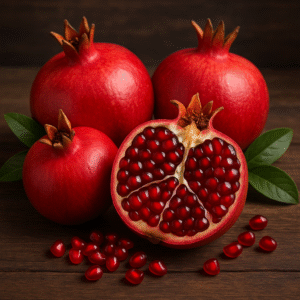
11. Pomegranates
Pomegranates are high in antioxidants and polyphenols, which improve heart health and protect against artery damage. Drinking pomegranate juice daily has been shown to reduce systolic blood pressure over time.
Enjoy them as:
-
Fresh fruit
-
Freshly squeezed juice
-
A salad topping
Reminder: Choose pure pomegranate juice with no added sugar.
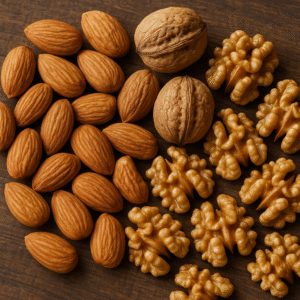
12. Nuts: Almonds and Walnuts
Nuts are rich in healthy fats, magnesium, and fiber, all beneficial for blood pressure and overall heart health.
-
Walnuts are especially high in omega-3 fatty acids.
-
Almonds contain magnesium, which helps relax blood vessels.
Enjoy a handful (about 30 grams) of unsalted nuts daily as a snack or sprinkle them over salads and cereals.
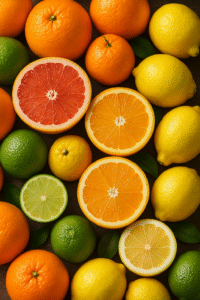
13. Citrus Fruits
Citrus fruits like oranges, lemons, and grapefruits are packed with vitamin C and plant compounds that help lower blood pressure and improve arterial flexibility.
Drinking a glass of lemon water each morning or eating an orange daily can make a noticeable difference.
Caution: Grapefruit may interact with some blood pressure medications. Always check with your doctor before consuming large amounts.
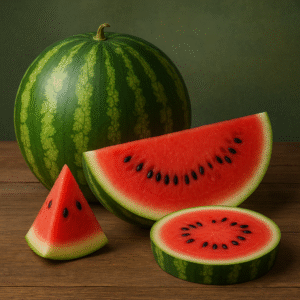
14. Watermelon
Watermelon contains citrulline, an amino acid that helps produce nitric oxide — which relaxes blood vessels and promotes healthy blood flow.
Studies suggest that watermelon can reduce arterial stiffness, helping lower blood pressure levels in overweight individuals.
Try:
-
Fresh watermelon slices
-
Watermelon juice
-
Adding it to salads
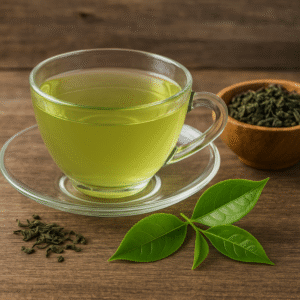
15. Green Tea
Green tea is rich in antioxidants called catechins, which improve blood vessel function and reduce stress hormones that raise blood pressure.
Drinking 2–3 cups daily can help keep your heart healthy and your blood pressure in check.
Tip: Skip the sugar and drink it plain or with a few drops of lemon.
Bonus: DASH Diet for Blood Pressure Control
If you want a long-term solution, try following the DASH diet (Dietary Approaches to Stop Hypertension) — a meal plan specifically designed to lower blood pressure.
It emphasizes:
-
Fruits and vegetables
-
Whole grains
-
Low-fat dairy
-
Lean proteins
-
Limited salt, red meat, and sweets
This balanced approach can significantly reduce your blood pressure within just a few weeks.
Lifestyle Tips Along with Diet
To get the best results from your diet, combine it with healthy lifestyle habits:
-
Exercise regularly (30 minutes a day)
-
Reduce sodium intake (less than 2,300 mg/day)
-
Manage stress with yoga or meditation
-
Quit smoking and limit alcohol
-
Get enough sleep every night
Conclusion
Controlling your blood pressure doesn’t have to rely solely on medication. By including these best foods to control blood pressure in your daily diet, you can naturally maintain a healthy heart, improve circulation, and reduce the risk of chronic diseases.
Start small — replace processed snacks with fruits, switch to whole grains, and add more vegetables to your meals. Over time, these little changes will have a big impact on your overall health.