Healthy Habits to Prevent Lifestyle Diseases
Modern life offers convenience but often at the cost of our health. Sedentary routines, processed foods, and high stress levels have led to a rise in lifestyle diseases like diabetes, hypertension, obesity, and heart problems.
The silver lining? Most of these diseases are preventable — with consistent, conscious, and healthy daily choices.
Below are the best scientifically proven habits that can help you build lifelong wellness.
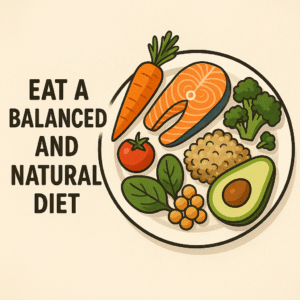
🥗 1. Eat a Balanced and Natural Diet
A nutritious diet is the first step toward disease prevention. Your body thrives when you feed it real, wholesome foods.
🍎 Include More:
-
Fruits and vegetables (aim for 5 servings daily)
-
Whole grains like oats, quinoa, and brown rice
-
Lean proteins such as fish, eggs, and legumes
-
Healthy fats from nuts, seeds, and olive oil
🚫 Avoid:
-
Processed snacks and sugary drinks
-
Fried and fast foods
-
Excess salt, sugar, and trans fats
A colorful plate is a healthy plate — every color adds unique nutrients that support heart, brain, and immune function.
💧 2. Stay Hydrated – Water Is the Best Medicine
Drinking enough water flushes toxins, boosts metabolism, and supports brain function.
-
Aim for 8–10 glasses daily
-
Replace sodas with lemon water or herbal tea
-
Carry a reusable bottle to track your intake
Hydration helps prevent fatigue, overeating, and headaches — simple yet powerful.
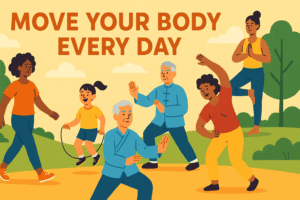
🏃♀️ 3. Move Your Body Every Day
Exercise isn’t just for fitness; it’s a shield against chronic illness.
🩺 Health Benefits of Exercise:
-
Controls weight and blood sugar
-
Improves heart health and circulation
-
Reduces anxiety and depression
-
Strengthens muscles and bones
🕒 Recommendations:
-
150 minutes of moderate exercise weekly (like brisk walking or cycling)
-
Add strength training twice a week
-
Stay active throughout the day — take the stairs, stretch at work, dance at home!
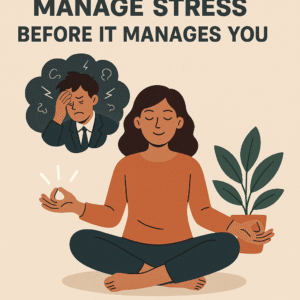
🧘♀️ 4. Manage Stress Before It Manages You
Long-term stress disrupts hormones and increases risk of diabetes and heart disease.
Adopt calming techniques like:
-
Meditation or deep breathing
-
Yoga for balance and flexibility
-
Nature walks or time with loved ones
-
Journaling or gratitude writing
Even 10 minutes of mindfulness a day can transform your mental and physical health.
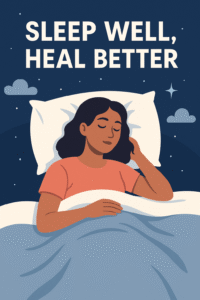
😴 5. Sleep Well, Heal Better
Sleep restores your body and mind. Chronic sleep deprivation can lead to obesity, hormonal imbalance, and fatigue.
🌙 Better Sleep Habits:
-
Maintain a fixed bedtime
-
Avoid screens 30 minutes before sleeping
-
Keep your room dark, quiet, and cool
-
Limit caffeine after evening
Adults need 7–8 hours of sleep nightly for optimal performance and healing.
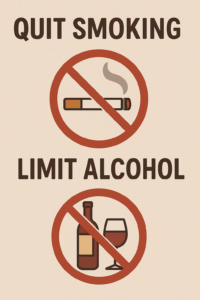
🚭 6. Quit Smoking and Limit Alcohol
Smoking and excessive drinking are leading causes of preventable deaths.
🚭 Smoking Risks:
-
Damages lungs and heart
-
Increases cancer risk
-
Speeds up aging and weakens immunity
🍷 Alcohol Risks:
-
Harms liver and brain
-
Causes weight gain and hypertension
If you drink, do so moderately — and if you smoke, seek help to quit. Every cigarette avoided adds life to your years.
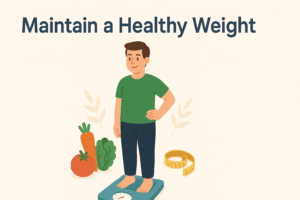
⚖️ 7. Maintain a Healthy Weight
Obesity is linked to diabetes, high blood pressure, and arthritis.
Focus on gradual, sustainable weight loss through:
-
Balanced meals
-
Regular activity
-
Proper hydration
-
Adequate rest
Even a 5–10% drop in body weight can lower disease risk dramatically.
Want to know about weight loss tips
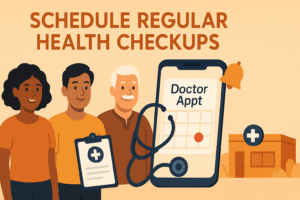
🩺 8. Schedule Regular Health Checkups
Preventive healthcare saves lives. Routine screenings can detect issues early and help you make timely changes.
Essential Tests:
-
Blood sugar & cholesterol
-
Blood pressure
-
Vitamin D, B12, and thyroid levels
-
Eye, dental, and physical exams
Never ignore early warning signs — prevention always beats cure.
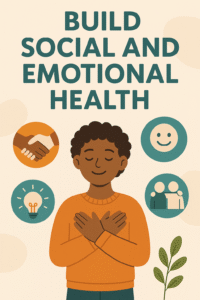
👥 9. Build Social and Emotional Health
Connection is medicine for the mind.
Spending time with loved ones reduces loneliness, stress, and depression.
🧡 Stay Connected:
-
Call or visit family regularly
-
Join fitness or hobby groups
-
Volunteer for community activities
Strong social bonds improve emotional resilience and longevity.
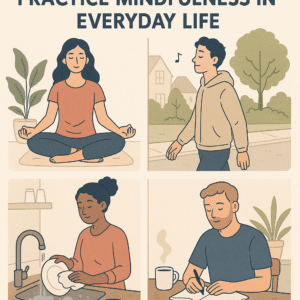
🧘 10. Practice Mindfulness in Everyday Life
Mindfulness helps you live consciously — reducing emotional eating, impulsive behavior, and digital distraction.
🧩 Try This:
-
Eat slowly and appreciate your food
-
Take tech-free breaks
-
Focus on one task at a time
-
Express gratitude daily
Mindful living leads to better mental clarity and decision-making.
🌞 11. Get Sunlight and Vitamin D
Just 15–20 minutes of morning sunlight boosts vitamin D levels, supporting bone, immune, and brain health.
If sunlight is limited, talk to your doctor about supplements.

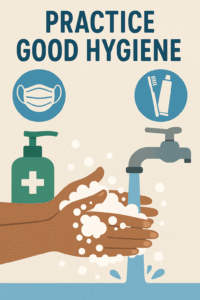
🧼 12. Practice Good Hygiene
Clean habits prevent infections and maintain self-respect.
-
Wash hands regularly
-
Brush and floss twice daily
-
Keep surroundings clean and ventilated
Personal hygiene is your first defense against illness.
🌸 13. Cultivate a Positive Attitude
Positivity lowers stress hormones, boosts immunity, and keeps your heart healthy.
-
Focus on gratitude
-
Surround yourself with kind people
-
Reduce exposure to negativity
Happiness is a natural immunity booster — nurture it daily.
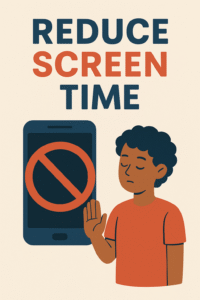
📵 14. Reduce Screen Time
Too much screen time contributes to eye strain, neck pain, and sleep issues.
🧘 Digital Detox Tips:
-
Take 5-minute breaks every hour
-
Avoid screens 1 hour before bed
-
Spend weekends partially offline
Balance digital life with real-life experiences for mental peace.
🌱 15. Small Changes, Big Results
You don’t need perfection — just progress.
Start small:
-
Walk daily
-
Eat one fruit with every meal
-
Sleep 30 minutes earlier
-
Replace one junk snack with nuts or yogurt
Consistency builds transformation.

🌈 Final Thoughts
Lifestyle diseases don’t appear overnight — they develop silently through years of unhealthy habits.
But by making mindful choices, you can reverse risk factors and build lasting health.
Start today — one step, one meal, one breath at a time.
Your body will thank you for every act of self-care. 💚
🔑 Key Takeaway:
“Healthy living isn’t about restriction; it’s about balance, awareness, and consistency.”