Why mental health is important and how to keep it up
In today’s world, we care a lot about our physical health. For example, we eat healthily, work out, and take supplements. But we often overlook about one very crucial element of our health: our mental health. How we act, feel, and think every day is affected by our mental health. It affects how we get along with others, how well we do at work, and how well we deal with challenges. Just like the body, the mind needs care and fuel.
You don’t have to be happy or free of problems all the time to stay psychologically healthy. It means being able to handle both the good and bad things that happen in life, keeping calm, and being strong emotionally. Let’s speak about why mental health is so essential and what we can do every day to keep it that way.
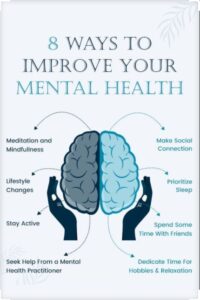
1. It Changes How We Think, Feel, and Act
Mental health has an impact on everything we do and think. A healthy mind helps us think clearly, make good choices, and deal with feelings like anger, grief, and fear in a good way. But having terrible mental health can make it hard to think properly, hurt your self-esteem, and make even simple tasks seem like too much labor.
People that are psychologically well are frequently more self-aware and confident. They can handle stress, accept criticism, and stay motivated to attain their goals.
2. It has an influence on your health.
The mind and body are extremely tightly connected. When our mental health isn’t good, our physical health often gets worse. Stress, worry, and despair can make you sick, giving you headaches, making you fatigued, raising your blood pressure, or making it hard to digest food. Stress over a long period of time can weaken your immune system and make you more likely to have serious diseases like diabetes or heart disease.
On the other side, being mentally well can boost your immune system, help you sleep better, and give you more energy. That’s why keeping your mind healthy is a big part of staying healthy in general.
3. It improves connections
Having good mental health means you can handle your emotions and talk to people well, both of which are vital for having healthy relationships. Being mentally strong helps you understand other people better, show compassion, and deal with problems in a calm way.
But when someone is suffering mental health problems, they could get irritated, pull away from people, or have trouble speaking what they want to say. Putting mental health first helps us build and sustain connections that improve our lives.
4. It helps you be more creative and get more done.
A mind that is healthy is more concentrated, creative, and productive. When our minds are in sync, we think clearly, solve problems more quickly, and look forward to going to work. But if you’re not mentally healthy, you can become burned out, put things off, or lose your drive.
It makes it tougher for students to study and pay attention. It has an impact on professionals’ ability to conduct their jobs and make decisions. Taking care of your mental health is good for you and helps you do better in all parts of your life.
5. It helps you be happy and embrace who you are.
Our mental health also has a big impact on how we feel about ourselves. When your mind is healthy, you accept your flaws, appreciate your strengths, and look forward to what’s to come. You won’t feel like you’re not good enough or compare yourself to other people as much.
Being happy doesn’t imply you don’t have problems; it means you know how to deal with them in a good way. When your mind is healthy, you may still be peaceful and happy even when things are hard.
How to Keep Your Mind in Good Shape
You need to take care of your mind all the time. It indicates that you should make good habits a part of your daily existence. These are some good and practical ways to maintain your mind healthy.
1. Look after yourself
It’s not selfish to take care of oneself; it’s necessary. It implies doing things that make you joyful and tranquil for a while. You may read, garden, watch your favorite movie, go for a walk, or just sit around and do nothing for a while.
When life gets too much, taking a break to clear your thoughts can help you feel better. Putting your mental health first doesn’t mean putting off your responsibilities; it means making sure you have the strength to do them.
2. Keep your life in check
The way you spend your day might affect how you feel and how much mental energy you have.
Eat well. Foods that are high in omega-3 fatty acids, vitamins, and minerals make the brain perform better.
Do a lot of exercise. Moving your body releases endorphins, which are natural chemicals that make you feel better and lessen stress. A short walk can make a difference.
Sleep well. If you don’t get enough sleep, you can be irritated, worried, and unable to concentrate. Try to get at least 7 to 8 hours of good sleep per night.
A balanced routine helps keep your emotions in check and makes you stronger in general.
3. Stay in touch
Being alone can be bad for people’s mental health because they are social animals. Staying close to friends, family, and the community may make you feel less alone and give you emotional support.
A short phone call or conversation with someone who cares can make a big difference. You don’t have to solve things by yourself. It’s not weak to ask for aid. It’s strong.
4. Practice meditation and awareness.
Being aware is being in the present without criticizing it. Keeping your mind on the now instead of worrying about the past or the future will help you relax and feel less anxious.
Meditating, taking deep breathing exercises, or just spending time outside will help you relax and improve your focus. You can make a tremendous impact in how clear your mind is and how balanced your emotions are by spending just 10 to 15 minutes a day on it.

Want to know about benefit of yoga and meditation
5. Be able to deal with stress
Stress is a common part of life, but too much of it can be bad for your mental health. Figure out what makes you stressed and come up with solutions to deal with it, such as:
Making a list of what is most important and using your time wisely
Taking breaks often when you work or study
Setting goals that are realistic and not putting too much stress on yourself
You can deal with what’s bothering you by talking to a friend, writing in a notebook, or doing yoga. Talking about your feelings can help you feel better and perceive things in a new manner.

Want to know about how to reduce stress
6. Spend less time on screens and social media
We can stay in touch thanks to technology, but spending too much time on screens and social media might not be good for our mental health. You could feel like you’re not good enough or worth much when you compare your life to other people’s lives online.
Set limits: Don’t look at your phone before bed, take vacations from technology, and chat to people in person instead. Use technology to connect, learn, and grow, not to compete.
7. Get your imagination to work for you
Your thoughts shape the world around you. Even when things are hard, strive to remember the good things in life. Every day, write down three things you’re thankful for. This can help you see things in a new way and feel better.
Instead of saying bad things to yourself, say things like “I can handle this,” “I am capable,” or “I am enough.” Being positive over time makes you mentally stronger by making it a habit.
8. Do activities that matter to you
You feel like your life has meaning and purpose when you do something good, like volunteering, learning a new skill, or helping someone else. It makes you feel like you belong and provides you more confidence.
When you accomplish things that are in line with your values, you automatically feel happier and more driven. Doing nice things for others might make you feel better and give you more confidence.
9. When you need it, get help from a professional.
We may still have issues with anxiety, depression, or other emotional disorders, even when we do our best. Seeing a psychologist, counselor, or psychiatrist for therapy can really help. Therapy provides you the skills you need to deal with your emotions, learn how to handle them, and get things back on track.
Don’t forget that asking for help doesn’t mean you’re weak; it means you’re strong enough to take responsibility of your life and find answers.
10. Don’t drink or do drugs
Taking drugs or drinking alcohol to deal with your feelings only offers you a break and makes your mental health worse in the long term. Instead, attempt to deal with your discomfort in healthier ways, including working out, meditating, listening to music, or being creative.
Your body and mind both need a clean area to heal and function efficiently. Staying away from drugs and alcohol is one of the best things you can do for yourself.
Mental Health Tips for Every Day
Start your day with a pleasant thought or a thank you.
Take short breaks as you work to keep from getting burned out.
Try deep breathing when you’re feeling nervous.
Keep a journal to record your thoughts and feelings and observe how far you’ve come.
Being outside will provide you fresh air and sunlight.
Do something creative or listen to music that calms you down.
Your mind will be better off if you laugh a lot.
To sum up
Mental health is not a luxury; it is a necessity. We should take care of our mental and emotional health the same way we take care of our physical health. A healthy mind enables you enjoy life, handle issues with confidence, and keep everything in balance.
Taking care of ourselves, establishing people who support us, coping with stress, and adopting good habits can help us feel better and live happier, more fulfilling lives. Remember that the little things you do every day can have a big effect. Take care of your mind today so that tomorrow will be better.