Eating a balanced diet is one of the most important things you can do to stay healthy.
While we’re busy with our daily lives, it’s easy to overlook what we’re putting into our bodies. It might be hard to find time to cook when you have so much to do at work, at home, and everywhere else. It frequently seems like the easiest way to acquire food is to grab a snack or fast food meal. But these choices affect our health and energy levels in the long run. That’s when a balanced diet is quite important.
Eating a healthy diet doesn’t mean you have to follow strict restrictions, be too slim, or stop eating the foods you love. It’s about getting healthier, feeling better, and having more energy. It’s about giving your body what it needs to perform well.
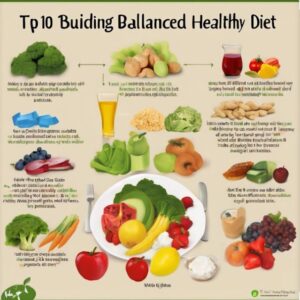
What does it mean to eat a balanced diet?
A balanced diet gives your body all the nutrients it needs in the right ratios. It has carbs, proteins, fats, vitamins, and minerals, all of which are good for you.
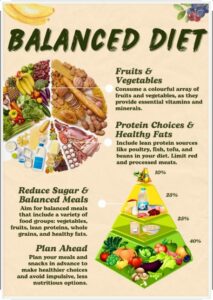
Here’s how to visualize a dish that is in balance:
You should fill half of your plate with fruits and veggies. They are the most vital thing to eat for a healthy diet. They are packed of vitamins, minerals, fiber, and antioxidants that help your body fight illness and keep your digestive system healthy.
Whole Grains (¼ of your plate): Brown rice, oats, quinoa, and whole wheat bread are all whole grains that are beneficial for you. They are complicated carbs that give you energy slowly and keep you full longer.
Add lean proteins like chicken, fish, eggs, beans, lentils, or tofu to your dish. This should make up ¼ of your plate. Protein helps your body repair, develop muscle, and make your immune system stronger.
People usually get fats wrong, but your body needs them to perform properly, create hormones, and absorb nutrition. Choose foods that are good for you, such almonds, seeds, avocados, and olive oil.
Dairy or Alternatives: Low-fat milk, yogurt, or plant-based options that are high in calcium and vitamin D are healthy for your bones.
By eating a variety of foods from these groups, you give your body a continuous supply of energy and keep it from missing out on important nutrients.
Why is it important to eat a balanced diet?
What you eat has an effect on almost every element of your health. The benefits go beyond merely losing weight; they also make you happier, more productive, and healthier in the long run.
Here are some of the best things about it:
1. Gives you greater energy
Eating healthy foods keeps your energy level steady all day. Whole grains and complex carbs offer you energy slowly, which keeps you from crashing after eating processed foods or sugary snacks.
2. Improves mental health
There is a direct link between nutrition and mental health. Eating foods high in omega-3 fatty acids, B vitamins, and antioxidants, such leafy greens, salmon, and berries, is good for your brain and lowers your chances of anxiety and depression.
3. Helps you stay at a healthy weight
A natural strategy to keep your weight in check is to eat a balanced diet. Eating the proper amounts of nutrient-rich foods will keep you full and stop you from eating too much, instead of monitoring calories or following fad diets.
Want to know about Weight loss Tips

4. Lowers the chance of getting chronic diseases
Eating a balanced diet lowers the risk of heart disease, diabetes, and several cancers, among other ailments. Antioxidants, fiber, and healthy fats are some of the nutrients that keep your body from being inflamed and help your heart stay healthy.
5. Boosts the immune system
Your immune system can fight off infections better when you have enough vitamins A, C, D, and minerals like zinc and iron. These nutrients come from fresh fruits, vegetables, and nuts.
Useful Advice for Keeping a Healthy Diet
You don’t have to make big adjustments right now. In the long run, little, steady steps can make a tremendous difference. Here are some simple methods to begin:
1. Make a plan for your meals
If you plan your meals ahead of time, you won’t be as likely to snack on unhealthy foods. Making a weekly meal plan helps you save time and make smart decisions.
2. Drink enough water
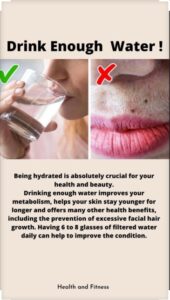
It’s really important to drink adequate water. Not drinking enough water can make you tired, give you headaches, and make it hard for your body to digest food. Drink 8 to 10 glasses of water a day and try to cut out on sugary drinks.
3. Pay attention to what you eat
Be aware of what you eat and how it makes you feel. Take your time eating, enjoy each meal, and quit when you’re full. Eating mindfully helps you not eat too much and makes your connection with food healthier.
4. Limit Processed Foods
Packaged and processed foods frequently have a lot of sugar, salt, and bad fats. Instead, eat healthy, fresh meals like fruits, vegetables, entire grains, and lean proteins.
5. Don’t limit yourself; find balance.
You can have treats now and then if you eat a balanced diet. It’s fine to have your favorite snack or dessert every now and then, but don’t overdo it. Eating well means finding a balance, not being perfect.
6. Pay attention to your body
Everyone has slightly varied nutritional demands. Be aware of how your body reacts to particular foods. If anything makes you feel tired or full, consider changing what you eat.
How to Make a Healthy Eating Plan Last
Short-term diets won’t help you stay healthy in the long run. Instead, you need to make routines that fit into your life.
Set small, realistic goals to begin with:
Add one more serving of veggies to your lunch or dinner.
Instead of sugary drinks, consume water or herbal tea.
Instead of chips or candy, bring along nutritious snacks like yogurt, fruit, or almonds.
You should cook more meals at home so you know what’s in them.
These minor modifications can have a big effect on your health and energy levels over time.
The Bottom Line
One of the easiest and most effective methods to take care of yourself is to eat a balanced diet. It’s not about following rigid rules or giving up everything you love. It’s about striking a healthy balance that makes you feel good inside and out.
Eating well helps you sleep better, think more clearly, and feel better about yourself. Keep in mind that your health is an investment, not a cost. So begin now, one meal, one choice, and one action at a time, to become a happier and healthier person.