Natural Ways to Improve Eye Health
Our eyes are one of the most delicate and important parts of the body. They help us perceive the world, communicate emotions, and stay connected to everything around us. However, in today’s digital world, our eyes are constantly under strain. Long hours on screens, lack of sleep, poor nutrition, and exposure to pollution can take a toll on our vision over time. While regular eye check-ups and professional care are essential, there are many natural ways to support and improve eye health daily.
Below are some simple, effective, and sustainable practices to keep your eyes healthy and strong.
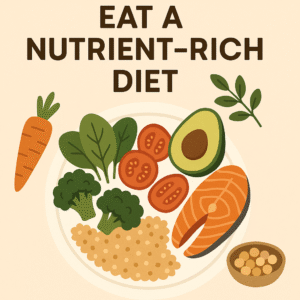
1. Eat a Nutrient-Rich Diet
Nutrition plays a key role in maintaining good vision. Certain vitamins and minerals help protect the eyes from damage and support overall eye function.
-
Vitamin A is crucial for good vision, especially at night. It helps protect the surface of the eye and is found in foods like carrots, sweet potatoes, spinach, and kale.
-
Vitamin C and E are powerful antioxidants that can help protect against age-related vision problems. Citrus fruits, almonds, and sunflower seeds are excellent sources.
-
Zinc helps bring vitamin A from the liver to the retina, which supports the production of melanin—a protective pigment.
-
Omega-3 fatty acids found in fish like salmon, sardines, and tuna can reduce dry eyes and support the retina.
A balanced diet with plenty of fruits, vegetables, nuts, and lean proteins can provide the essential nutrients your eyes need to stay healthy.
2. Stay Hydrated
Dry eyes are one of the most common problems today, often caused by spending hours in air-conditioned rooms, working on computers, or not drinking enough water. Staying hydrated helps maintain the moisture in your eyes, preventing irritation and strain. Aim for 8 to 10 glasses of water a day. If you spend a lot of time in front of screens, try using a humidifier to keep the air around you moist.
3. Follow the 20-20-20 Rule
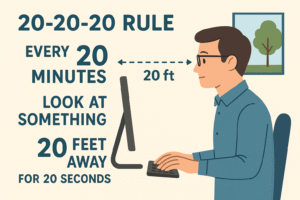
Digital eye strain has become increasingly common due to prolonged use of phones, tablets, and computers. A simple technique called the 20-20-20 rule can help relieve the strain:
-
Every 20 minutes, look away from the screen.
-
Focus on an object 20 feet away.
-
Do this for at least 20 seconds.
This small habit relaxes the eye muscles and prevents fatigue, dryness, and blurred vision. Also, make sure your screen is at eye level and about an arm’s length away.
4. Protect Your Eyes from UV Rays
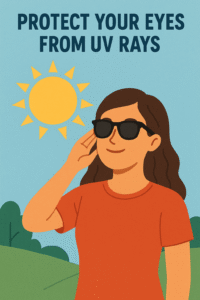
Just like your skin, your eyes need protection from the sun’s ultraviolet (UV) rays. Prolonged exposure can increase the risk of cataracts and other eye problems. Wearing sunglasses that block 100% of UVA and UVB rays can help reduce this risk. Wide-brimmed hats or caps can provide extra protection on sunny days.
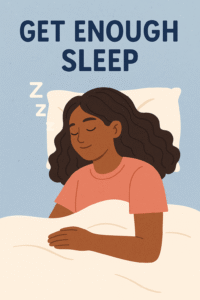
5. Get Enough Sleep
Your eyes need rest just like the rest of your body. Lack of proper sleep can lead to dryness, puffiness, blurred vision, and overall eye fatigue. Aim for 7 to 8 hours of quality sleep every night. Adequate sleep allows your eyes to recover from daily stress and maintain optimal function.
6. Do Eye Exercises
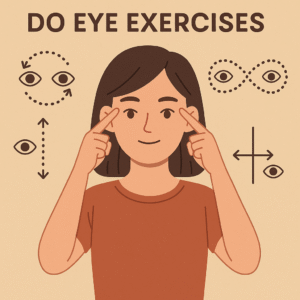
Just like physical exercise keeps your body fit, eye exercises can keep your vision sharp and reduce strain. Here are a few simple ones:
-
Palming: Rub your hands together to warm them up and gently place them over your closed eyes. This relaxes your eye muscles and relieves tension.
-
Focusing: Hold a pencil or pen at arm’s length. Slowly bring it closer to your nose while focusing on it, then move it back. Repeat several times.
-
Eye Rolling: Slowly roll your eyes in a circular motion—first clockwise, then counterclockwise. This improves flexibility and reduces stiffness.
Doing these exercises daily can strengthen your eye muscles and support better focus.
7. Avoid Smoking and Limit Alcohol
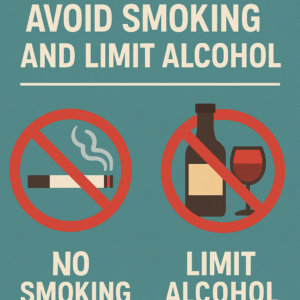
Smoking has been linked to an increased risk of eye diseases such as age-related macular degeneration and cataract. It can also damage the optic nerve over time. Similarly, excessive alcohol consumption can lead to dehydration and nutritional deficiencies, which negatively affect the eyes. Quitting smoking and moderating alcohol intake are essential steps toward healthier vision.
8. Maintain a Healthy Lifestyle
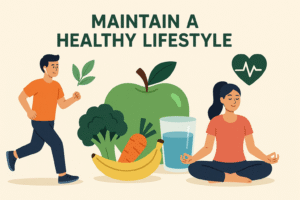
Regular physical activity supports good circulation and helps maintain healthy blood pressure and cholesterol levels—all of which are beneficial for eye health. Conditions like diabetes, hypertension, and high cholesterol can lead to serious eye problems, including diabetic retinopathy. A balanced lifestyle with regular exercise, a healthy diet, and stress management can significantly reduce the risk of such conditions.
9. Limit Screen Time
Screens are everywhere—in our hands, on our desks, and even on our TVs. Prolonged screen use can cause eye fatigue, dryness, and headaches. Try to take regular breaks from your phone or computer, especially before bedtime. Reducing exposure to blue light in the evening can also improve sleep quality and reduce strain.
10. Schedule Regular Eye Check-Ups
Even if your vision seems fine, regular eye exams are important. Eye doctors can detect problems early—even before you notice symptoms. Conditions like glaucoma often develop slowly and without pain, making regular check-ups essential for prevention and early treatment.
Final Thoughts
Taking care of your eyes doesn’t have to be complicated. Small, consistent lifestyle habits can make a big difference in preserving your vision for years to come. Eating a balanced diet rich in vitamins, staying hydrated, protecting your eyes from the sun, practicing eye exercises, and getting enough sleep are all simple yet powerful steps toward better eye health.
Remember, your eyes are precious. Treat them with care and attention. Alongside these natural methods, always consult a healthcare professional if you experience any vision problems. Prevention and early care are the keys to maintaining clear, healthy eyesight for life.
cannabis for creativity gummies to boost focus and ideas