Top 10 Protein-Rich Foods for Vegetarians
Introduction
Protein is often hailed as the building block of life—and rightly so. It’s essential for muscle repair, hormone production, enzyme function, and maintaining healthy skin, hair, and nails. For vegetarians, getting enough protein can seem like a challenge, especially with meat and fish off the plate. However, nature provides an abundance of plant-based foods that are not only rich in protein but also packed with fiber, vitamins, and minerals.
Whether you’re vegetarian for ethical, environmental, or health reasons, this guide will help you discover the top 10 protein-rich foods for vegetarians, their benefits, and practical ways to include them in your daily diet.
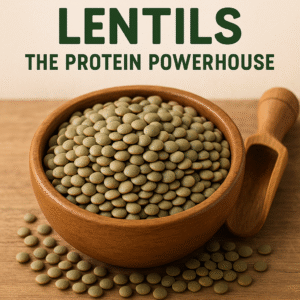
1. Lentils – The Protein Powerhouse
Protein content: ~18 grams per cooked cup
Lentils are one of the most versatile and affordable sources of plant-based protein. Available in various types—red, green, brown, and black—they are staples in vegetarian diets worldwide. Lentils are also high in iron, folate, and fiber, which aid in digestion and stabilize blood sugar levels.
Benefits:
-
High in protein and complex carbohydrates
-
Supports heart health
-
Great source of plant-based iron and folate
How to include:
-
Add to soups, curries, or stews
-
Prepare Indian-style dal or lentil salad
-
Use as a meat substitute in tacos or wraps
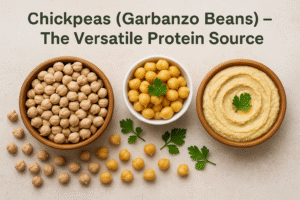
2. Chickpeas (Garbanzo Beans) – The Versatile Protein Source
Protein content: ~15 grams per cooked cup
Chickpeas are another fantastic source of vegetarian protein. They are also rich in fiber, which helps improve digestion and keep you full longer. Chickpeas have a low glycemic index, making them suitable for blood sugar management.
Benefits:
-
Aids in weight management due to high satiety
-
Supports heart health
-
Boosts energy and helps in muscle repair
How to include:
-
Blend into hummus for a protein-rich snack
-
Add to salads, curries, or roasted for a crunchy treat
-
Mix into pasta dishes or stews for extra texture
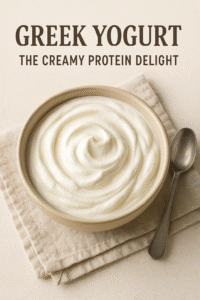
3. Greek Yogurt – The Creamy Protein Delight
Protein content: ~10 grams per 100 grams
Greek yogurt is a vegetarian-friendly dairy product that’s packed with protein and probiotics, which support gut health. It also provides calcium for strong bones and is an excellent post-workout snack.
Benefits:
-
Rich in calcium and vitamin B12
-
Improves digestion with live cultures
-
Keeps you full and aids in muscle recovery
How to include:
-
Use as a breakfast base with fruits and nuts
-
Replace sour cream in dips and sauces
-
Add to smoothies for a creamy protein boost
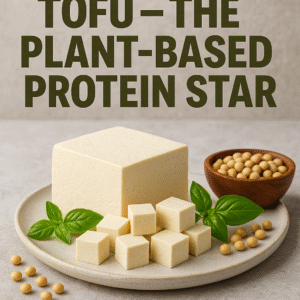
4. Tofu – The Plant-Based Protein Star
Protein content: ~10 grams per 100 grams
Made from soybeans, tofu (or bean curd) is a complete protein source—meaning it contains all nine essential amino acids. It absorbs flavors easily, making it perfect for various cuisines.
Benefits:
-
Excellent source of iron and calcium
-
Promotes muscle repair and growth
-
Low in calories but high in nutrients
How to include:
-
Stir-fry with vegetables
-
Add to soups, curries, or salads
-
Grill or bake for a meat-like texture
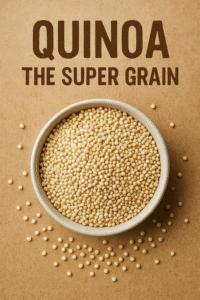
5. Quinoa – The Super Grain
Protein content: ~8 grams per cooked cup
Quinoa is often mistaken for a grain, but it’s actually a seed—and a complete protein at that! It contains all essential amino acids and is naturally gluten-free, making it ideal for those with gluten intolerance.
Benefits:
-
Complete protein source
-
High in magnesium, iron, and fiber
-
Supports muscle health and metabolism
How to include:
-
Use as a rice substitute
-
Mix into salads, bowls, or veggie burgers
-
Make a hearty quinoa breakfast porridge
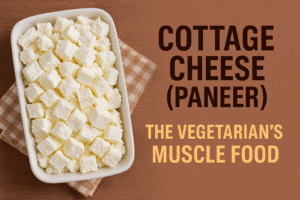
6. Cottage Cheese (Paneer) – The Vegetarian’s Muscle Food
Protein content: ~14 grams per 100 grams
Paneer, or Indian cottage cheese, is a protein staple in vegetarian diets. It’s rich in casein protein, which digests slowly, making it ideal for sustained muscle nourishment.
Benefits:
-
High in calcium and vitamin D
-
Great for muscle maintenance and recovery
-
Keeps you full for long periods
How to include:
-
Add cubes to curries or stir-fries
-
Grill or pan-fry with spices as a snack
-
Use in wraps, sandwiches, or salads
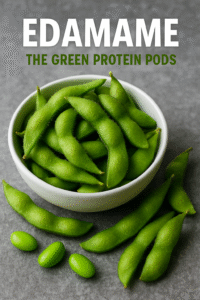
7. Edamame – The Green Protein Pods
Protein content: ~17 grams per cooked cup
Edamame, or young soybeans, are a complete protein source and are packed with antioxidants, fiber, and essential vitamins. They’re perfect as a light snack or side dish.
Benefits:
-
Helps reduce cholesterol
-
Supports bone and heart health
-
Rich in omega-3 fatty acids and folate
How to include:
-
Steam and sprinkle with sea salt
-
Add to stir-fries, salads, or grain bowls
-
Blend into a dip for a protein-packed snack
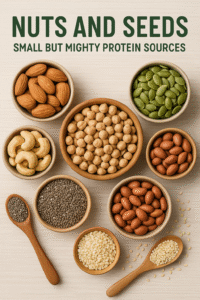
8. Nuts and Seeds – Small but Mighty Protein Sources
Protein content:
-
Almonds: ~6 grams per ¼ cup
-
Pumpkin seeds: ~8 grams per ¼ cup
-
Chia seeds: ~5 grams per 2 tablespoons
Nuts and seeds are compact sources of protein, healthy fats, and antioxidants. They’re ideal for snacks, smoothies, or toppings and contribute to heart health and energy maintenance.
Benefits:
-
Rich in omega-3s and antioxidants
-
Supports brain and skin health
-
Helps balance blood sugar levels
How to include:
-
Sprinkle over oatmeal or salads
-
Blend into smoothies or nut butter
-
Use as a topping for yogurt or desserts
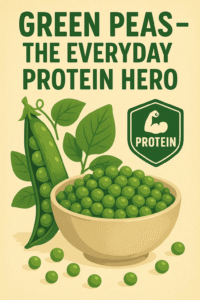
9. Green Peas – The Everyday Protein Hero
Protein content: ~9 grams per cooked cup
Green peas are often underestimated, but they’re a great source of protein, fiber, and essential nutrients like vitamin K and manganese. They also contain compounds that support blood sugar regulation.
Benefits:
-
Supports heart and digestive health
-
Good source of iron and vitamin C
-
Helps build muscle and repair tissues
How to include:
-
Add to soups, stews, or stir-fries
-
Blend into a creamy pea soup
-
Mix into rice or pasta dishes
10. Seitan – The “Wheat Meat” Wonder
Protein content: ~25 grams per 100 grams
Seitan, made from gluten (the main protein in wheat), is one of the richest plant-based protein sources. Its chewy texture makes it a popular meat substitute among vegetarians and vegans alike.
Benefits:
-
Extremely high in protein
-
Mimics the texture of meat
-
Low in fat and carbs
How to include:
-
Use in stir-fries, kebabs, or sandwiches
-
Grill, fry, or sauté with sauces
-
Add to wraps or tacos as a meat replacement

Bonus: Spirulina – The Algae with Super Protein
Protein content: ~8 grams per 2 tablespoons
Though not a traditional food, spirulina—a blue-green algae—is a nutritional powerhouse. It contains all essential amino acids, iron, and antioxidants, making it ideal for boosting protein intake naturally.
Benefits:
-
Enhances energy and endurance
-
Rich in vitamins B1, B2, and B3
-
Supports immune system function
How to include:
-
Add to smoothies or juices
-
Mix into energy balls or protein bars
-
Use as a supplement in powder form
Tips for Maximizing Protein Intake as a Vegetarian
-
Combine protein sources – Pair legumes with grains (like rice and lentils) to create complete proteins.
-
Snack smartly – Keep roasted chickpeas, nuts, or Greek yogurt handy for protein-rich snacks.
-
Plan balanced meals – Include protein, complex carbs, and healthy fats in every meal.
-
Don’t forget micronutrients – Include foods rich in iron, vitamin B12, and omega-3s for optimal health.
-
Use protein supplements – If needed, add plant-based protein powders made from pea, soy, or hemp protein.
Conclusion
Being vegetarian doesn’t mean compromising on protein. In fact, plant-based protein sources offer numerous additional benefits—fiber, antioxidants, and heart-healthy fats—that animal products often lack. From lentils and chickpeas to tofu and quinoa, the options are abundant and delicious.
Whether your goal is to build muscle, lose weight, or simply eat healthier, incorporating these top 10 protein-rich vegetarian foods will keep your meals nutritious, balanced, and satisfying.
Remember: it’s not just about how much protein you eat, but how consistently you include it throughout the day. So, experiment with these protein-packed foods and enjoy the strength and vitality that a well-planned vegetarian diet can bring!