Top 5 Breathing Techniques for Relaxation
Modern life moves fast. Our minds race, our bodies stay tense, and stress often becomes a daily companion. Many people look for ways to feel calmer, sleep better, and manage anxiety without depending on complicated routines. One of the simplest and most effective tools we always carry with us is the breath. Breathing happens automatically, yet when we learn to breathe with awareness, it becomes a powerful practice for relaxation. The way we breathe can influence our thoughts, our mood, our energy levels, and even our physical health.
Relaxation breathing techniques work by signaling the nervous system to slow down. When we are stressed, the body shifts into “fight or flight” mode. Heart rate rises, muscles tighten, and breathing becomes shallow. Slow, intentional breathing sends the opposite message. It activates the parasympathetic nervous system, also known as the “rest and digest” response. Within minutes, the heart rate drops, the mind settles, and the body feels more balanced. This is why breathing practices are used in meditation, yoga, mindfulness, therapy, athletics, and even medical environments.
The best part is that anyone can do these techniques. They do not require equipment, experience, or a special setting. You can practice them at home, at work, before sleep, during a stressful moment, or whenever you feel overwhelmed. Each technique has its own rhythm and benefits, so exploring different styles helps you discover what feels most natural and soothing for you.
Below are five of the most accessible and effective breathing techniques for relaxation. Each one is simple, safe for most people, and easy to integrate into daily life. Practicing even one of them consistently can bring noticeable improvements in mental clarity, emotional balance, and physical calmness.
Want to know about yoga poses for beginners
1. Deep Diaphragmatic Breathing
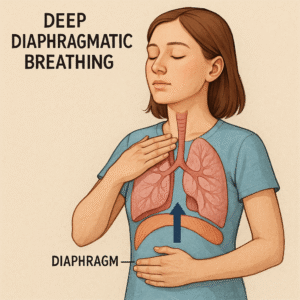
Diaphragmatic breathing, also called belly breathing, is the foundation of most relaxation practices. It focuses on using the diaphragm instead of the chest muscles. When breathing deeply into the belly, the lungs fill more completely, oxygen intake increases, and tension naturally releases.
Many adults breathe shallowly without realizing it. Stress, sedentary habits, and poor posture contribute to chest breathing. Deep diaphragmatic breathing retrains the body to breathe fully and efficiently.
To practice it, sit or lie down comfortably. Place one hand on your chest and the other on your belly. As you breathe in through the nose, let the belly expand gently like a balloon. The hand on your belly should rise while the chest stays relatively still. As you exhale slowly through the mouth, let the belly fall. Continue at a slow and steady pace, focusing on the movement of the diaphragm. Even a few minutes of this technique can bring a noticeable sense of grounding.
This style of breathing is especially helpful for reducing physical tension, lowering stress levels, improving posture, and supporting better sleep. It is also a wonderful first step before trying more structured breathing styles because it increases awareness of how the breath moves through the body.
2. Box Breathing for Calm and Focus
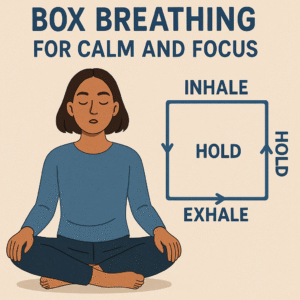
Box breathing is a rhythmic breathing practice often used by athletes, performers, and even high-pressure professionals. It is sometimes referred to as square breathing because it involves four equal parts, like the four sides of a box. The structured rhythm helps quiet mental chatter, restore balance, and bring a sense of control.
To begin, breathe in through the nose for a slow count of four. Then hold the breath gently for another count of four. Next, exhale through the mouth for four counts. Finally, hold the breath again for four counts before starting the pattern over. The breaths should be smooth and relaxed, never forced. The even pacing helps regulate the nervous system and steady the mind.
Box breathing is particularly useful when you feel overwhelmed, distracted, or anxious. Because the pattern requires focus, it gently pulls attention away from stress triggers. Many people also use this method before meetings, presentations, or emotionally charged conversations. Practiced regularly, it improves emotional resilience, clarity, and concentration. It is simple enough to use discreetly, making it ideal for the workplace or public settings.
3. 4-7-8 Breathing for Rest and Sleep
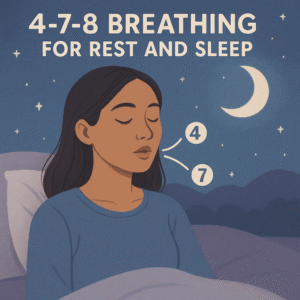
The 4-7-8 breathing technique is known for its deeply calming effect. It encourages the body to release stress and transition into relaxation. Many people use it to wind down at night, stop racing thoughts, or ease tension after a long day.
To practice, inhale gently through the nose for a count of four. Hold the breath softly for a count of seven. Then exhale slowly and completely through the mouth for a count of eight. The long exhale is the most important part because it signals the nervous system to relax. The count does not need to be fast or slow as long as the proportions stay consistent.
This technique may feel unusual at first, especially the longer breath retention, but with practice it becomes soothing and effortless. It can help reduce anxiety, calm the heart rate, and promote deeper sleep. Many people find that repeating the cycle four times is enough to feel a noticeable shift in the body and mind.
4. Alternate Nostril Breathing for Balance
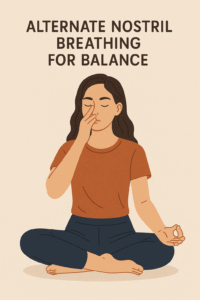
Alternate nostril breathing, often used in yoga and meditation traditions, is known for its balancing effects. It helps harmonize the left and right sides of the brain, which are associated with logic and creativity, activity and rest, energy and calm. This technique creates a sense of centeredness and emotional equilibrium.
To begin, sit comfortably with a straight spine. Use the right thumb to close the right nostril and inhale slowly through the left nostril. Then close the left nostril with a finger and exhale through the right nostril. Next, inhale through the right nostril, switch again, and exhale through the left nostril. Continue alternating in this pattern at a gentle pace.
The airflow pattern encourages mental clarity and emotional steadiness. Many people practice this technique before meditation, during stressful moments, or when they need to reset their mental state. It can also reduce nervous energy and help improve focus. Because it requires attention to the sequence, it draws the mind away from worry and into a calmer awareness.
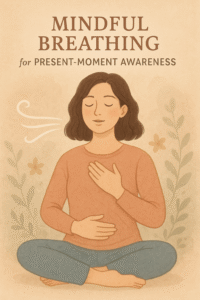
5. Mindful Breathing for Present-Moment Awareness
Mindful breathing is one of the simplest and most powerful ways to relax. Instead of controlling the rhythm, this technique focuses on observing the breath as it naturally flows. The goal is to anchor attention in the present moment. Thoughts may come and go, but the breath becomes a steady point of return.
To practice, sit or lie down comfortably and begin noticing the sensation of breathing. Feel the air as it enters and leaves the body. Observe the rise and fall of the chest or belly. Pay attention to the temperature of the air, the rhythm, and the pauses between breaths. Allow thoughts to appear without judgment and gently return your attention to the breath each time the mind wanders.
Mindful breathing helps interrupt automatic stress responses. It reduces rumination, supports emotional stability, and encourages self-awareness. Even one or two minutes can create a sense of calm, and longer sessions deepen the benefits. It is a helpful tool during anxiety, frustration, restlessness, or mental fatigue. Over time, it becomes a natural way to slow down and reconnect with yourself.
Bringing These Techniques Into Daily Life
Knowing these breathing techniques is helpful, but practicing them regularly makes the biggest difference. You do not need long sessions or perfect conditions. A few intentional breaths throughout the day can shift your energy and mood. You might practice deep breathing in the morning, use box breathing during work stress, try 4-7-8 before bed, enjoy alternate nostril breathing when you feel mentally scattered, and use mindful breathing anytime you need grounding.
Breathing practices work best when approached gently. There is no need to force or strain. If you ever feel dizzy, simply return to natural breathing and rest. Over time, the body learns these rhythms, and the effects become stronger and more immediate.
Relaxation is not something that happens only on vacations or weekends. It can be woven into everyday life through simple moments of awareness. The breath is always available, always steady, and always ready to support calmness, clarity, and balance. By exploring these techniques, you create a personal toolkit for peace, emotional regulation, and overall well-being—one breath at a time.