Top 7 Vegetables You Should Eat Every Day for Better Health
When it comes to living a long, energetic, and disease-free life, there’s no substitute for vegetables. They are nature’s pharmacy — packed with vitamins, minerals, antioxidants, and fiber that nourish your body from the inside out. While most of us know vegetables are important, few truly realize how powerful they can be when eaten daily and in the right variety.
Vegetables help balance hormones, support digestion, strengthen immunity, prevent lifestyle diseases like diabetes and heart disease, and even improve your skin and hair. But with so many options available, you might wonder — which ones are the best to eat every day?
Let’s explore the top 7 vegetables you should include in your daily diet — and why they’re nutritional powerhouses your body will thank you for.
Want to know about healthy lifestyle
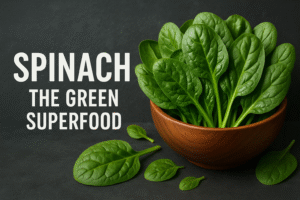
1. Spinach – The Green Superfood
Spinach tops almost every nutritionist’s list — and for good reason. It’s one of the most nutrient-dense vegetables on the planet, providing a massive amount of nutrients for very few calories.
Key Nutrients in Spinach
-
Iron: Supports red blood cell formation and prevents fatigue.
-
Vitamin K: Essential for bone health and blood clotting.
-
Vitamin A & C: Boost immunity and maintain skin health.
-
Folate: Important for cell growth and repair, especially in pregnant women.
-
Magnesium & Potassium: Support heart and muscle function.
Health Benefits
-
Improves Eye Health: Spinach is rich in lutein and zeaxanthin, two antioxidants that protect your eyes from UV damage and age-related macular degeneration.
-
Supports Heart Health: The nitrates in spinach help lower blood pressure and improve blood flow.
-
Enhances Detoxification: Chlorophyll helps cleanse the liver and remove toxins.
-
Boosts Skin Glow: Antioxidants combat free radicals that age the skin.
Best Ways to Eat Spinach
Add fresh spinach to smoothies, soups, salads, or lightly sauté it with garlic and olive oil. Avoid overcooking — it destroys many of its vitamins.
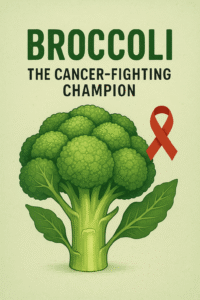
2. Broccoli – The Cancer-Fighting Champion
Broccoli is a cruciferous vegetable that deserves its reputation as a “super-vegetable.” It’s loaded with bioactive compounds that have been proven to reduce inflammation and protect against certain cancers.
Key Nutrients in Broccoli
-
Vitamin C: Strengthens immunity and collagen production.
-
Vitamin K: Promotes strong bones.
-
Sulforaphane: A potent compound known to fight cancer cells.
-
Fiber: Improves digestion and keeps you full longer.
-
Calcium & Iron: Strengthen bones and boost energy.
Health Benefits
-
Prevents Cancer: Sulforaphane helps eliminate carcinogens and inhibits tumor growth.
-
Supports Heart Health: Broccoli helps balance cholesterol and reduces inflammation in arteries.
-
Improves Digestion: High fiber content promotes a healthy gut microbiome.
-
Boosts Brain Health: Contains compounds that may improve memory and protect against cognitive decline.
Best Ways to Eat Broccoli
Steam or lightly stir-fry broccoli to preserve its nutrients. Avoid boiling it — that destroys sulforaphane. You can also add it to soups, pasta, or baked dishes.
3. Carrots – The Vision Protector
Carrots are known as the “eye-health” vegetable, but their benefits go far beyond vision. These crunchy, sweet root vegetables are a great source of antioxidants and vitamins that improve overall wellness.
Key Nutrients in Carrots
-
Beta-Carotene (Vitamin A): Essential for healthy vision, skin, and immunity.
-
Vitamin K1: Aids in bone health.
-
Potassium: Helps regulate blood pressure.
-
Fiber: Supports digestion.
Health Benefits
-
Enhances Eye Health: Beta-carotene converts to vitamin A, preventing night blindness and age-related eye issues.
-
Promotes Heart Health: Carrots contain antioxidants that lower cholesterol and prevent heart disease.
-
Supports Healthy Skin: Vitamin A promotes cell regeneration and a glowing complexion.
-
Boosts Immunity: The vitamin C content strengthens your body’s defenses.
Best Ways to Eat Carrots
Enjoy them raw as a snack, blend into smoothies, or cook lightly with other vegetables. Roasted carrots with olive oil and herbs make a delicious side dish.

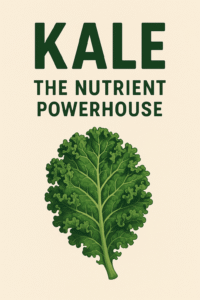
4. Kale – The Nutrient Powerhouse
Often called the “queen of greens,” kale is one of the healthiest foods you can eat daily. It belongs to the cruciferous family like broccoli and cabbage and contains an impressive array of vitamins and minerals.
Key Nutrients in Kale
-
Vitamin A, C, and K: Strong antioxidant protection.
-
Calcium & Magnesium: Strengthen bones and nerves.
-
Iron: Promotes oxygen transport in the blood.
-
Antioxidants (Quercetin & Kaempferol): Fight inflammation and oxidative stress.
Health Benefits
-
Supports Detoxification: Kale contains compounds that help flush toxins from your liver.
-
Improves Heart Health: The fiber and antioxidants reduce cholesterol.
-
Strengthens Bones: Vitamin K and calcium are key for strong skeletal health.
-
Boosts Immunity: Its dense nutrition strengthens your immune system naturally.
Best Ways to Eat Kale
Add chopped kale to salads, soups, or smoothies. For a snack, make baked kale chips with olive oil and sea salt.
5. Tomatoes – The Heart’s Best Friend
Tomatoes are technically fruits, but they’re commonly eaten as vegetables and are an everyday essential for good health. They’re rich in lycopene, a powerful antioxidant that gives them their red color and numerous health benefits.
Key Nutrients in Tomatoes
-
Lycopene: Reduces inflammation and supports heart health.
-
Vitamin C: Strengthens immunity and fights free radicals.
-
Potassium: Supports nerve and heart function.
-
Folate: Promotes cell repair and energy production.
Health Benefits
-
Prevents Heart Disease: Lycopene lowers bad cholesterol and blood pressure.
-
Reduces Cancer Risk: Especially effective in reducing prostate and breast cancer risk.
-
Improves Skin Health: Lycopene protects against UV damage and wrinkles.
-
Supports Weight Loss: Low in calories and high in water content.
Best Ways to Eat Tomatoes
Eat them raw in salads or sandwiches, or cook them to release more lycopene. Tomato soup or fresh tomato juice are also great choices.

6. Bell Peppers – The Colorful Immunity Boosters
Bell peppers come in vibrant colors — red, yellow, orange, and green — and each adds a different mix of nutrients and antioxidants to your diet. They’re particularly rich in vitamin C, which supports your immune system and skin health.
Key Nutrients in Bell Peppers
-
Vitamin C: One of the richest vegetable sources.
-
Vitamin A and E: Keep eyes and skin healthy.
-
Folate and Fiber: Support digestion and heart health.
-
Capsanthin (in red peppers): A strong antioxidant compound.
Health Benefits
-
Boosts Immunity: High vitamin C content helps your body fight infections.
-
Promotes Eye Health: Lutein and zeaxanthin protect against macular degeneration.
-
Aids in Weight Management: Low in calories and packed with fiber.
-
Improves Skin Glow: Antioxidants reduce oxidative stress and skin aging.
Best Ways to Eat Bell Peppers
Eat them raw for maximum vitamin C, or lightly grill or roast them for extra flavor. Add to stir-fries, pasta, or omelets.

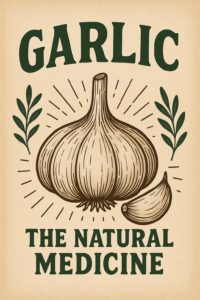
7. Garlic – The Natural Medicine
Though often used as a spice rather than a vegetable, garlic earns a place on this list because of its incredible medicinal value. It has been used for centuries to fight infections, lower blood pressure, and support heart health.
Key Nutrients in Garlic
-
Allicin: The main active compound responsible for its healing properties.
-
Manganese & Selenium: Support metabolism and immune defense.
-
Vitamin B6 & C: Help in energy production and antioxidant protection.
Health Benefits
-
Lowers Blood Pressure: Garlic relaxes blood vessels and improves circulation.
-
Reduces Cholesterol Levels: Helps maintain a healthy lipid balance.
-
Strengthens Immunity: Natural antibacterial, antiviral, and antifungal effects.
-
Prevents Colds and Infections: Regular consumption can shorten the duration of colds.
-
Detoxifies the Body: Allicin helps remove heavy metals and toxins.
Best Ways to Eat Garlic
Crush or chop fresh garlic and let it sit for 10 minutes before cooking — this activates allicin. Add it to soups, curries, or salad dressings for both flavor and health benefits.
Tips for Including These 7 Vegetables in Your Daily Diet
-
Mix Colors: A colorful plate ensures a wider range of nutrients.
-
Go for Fresh and Organic: Choose seasonal, pesticide-free vegetables whenever possible.
-
Don’t Overcook: Steam, roast, or stir-fry lightly to retain nutrients.
-
Add Healthy Fats: Vitamins A, D, E, and K are fat-soluble — add olive oil, avocado, or nuts for better absorption.
-
Plan Smartly: Add greens to smoothies, toss extra veggies into soups or omelets, or snack on raw carrots and peppers.
Final Thoughts
Including a variety of vegetables in your daily diet isn’t just about eating healthy — it’s about nourishing your body for energy, longevity, and resilience. Spinach, broccoli, carrots, kale, tomatoes, bell peppers, and garlic are seven of the best choices you can make each day to strengthen your immune system, support your organs, and protect against chronic diseases.
Remember: your body thrives on natural, whole foods. The more vegetables you eat, the more your cells are fueled with life-giving nutrients. Over time, you’ll notice better digestion, glowing skin, improved mood, and a stronger immune system — all from these humble gifts of nature.
So next time you prepare a meal, ask yourself: “Have I added enough vegetables today?”
Your body will thank you — every single day.